José Saramago's “Blindness” is a harrowing exploration of humanity stripped bare. The novel’s premise—a sudden, inexplicable wave of blindness—is a chilling backdrop for a descent into a Hobbesian world of survival and savagery.

Does listening to audiobooks count as reading? Here it does. Let’s discuss your favorite reads — or listens.
All in Audiobook
José Saramago's “Blindness” is a harrowing exploration of humanity stripped bare. The novel’s premise—a sudden, inexplicable wave of blindness—is a chilling backdrop for a descent into a Hobbesian world of survival and savagery.
This is a classic for a reason. Nothing I say about this novel will diminish its relevance, but I must be honest with myself and others when I say that I didn’t really enjoy it.
Exploring the complexities of family, identity and the American Dream – plus the ethics of genome editing for good measure – it's the type of novel that could easily veer into literary excess but Khong showed a remarkable knack for balancing heavy ideas with beach read sensibilities.
There’s only so many ways a “person hellbent on dying finds a reason to live again” plot can feel fresh. For the first quarter of the novel it felt very familiar (I couldn’t help but think of Matt Haig’s “The Midnight Library”), but Espach quickly drew me into the lives of Lila and Phoebe, two women navigating a week of unexpected soul-searching.
The alternating timelines – one focused on a small group of Shen Fever refugees, and the other Candace’s experiences as the daughter of Chinese immigrants – allow Ma the runway to take her core themes in interesting directions, but it felt like the merging of two novels into one versus a cohesive narrative.
Chuck Palahniuk's “Fight Club” has gained cult status for its literary transgression and societal critique, but the novel is nothing more than a sophomoric and misogynistic rant. It’s the type of book that someone reads in their twenties and finds edgy and dangerous, but that’s simply because it is effective at appealing to those with an underdeveloped world view.
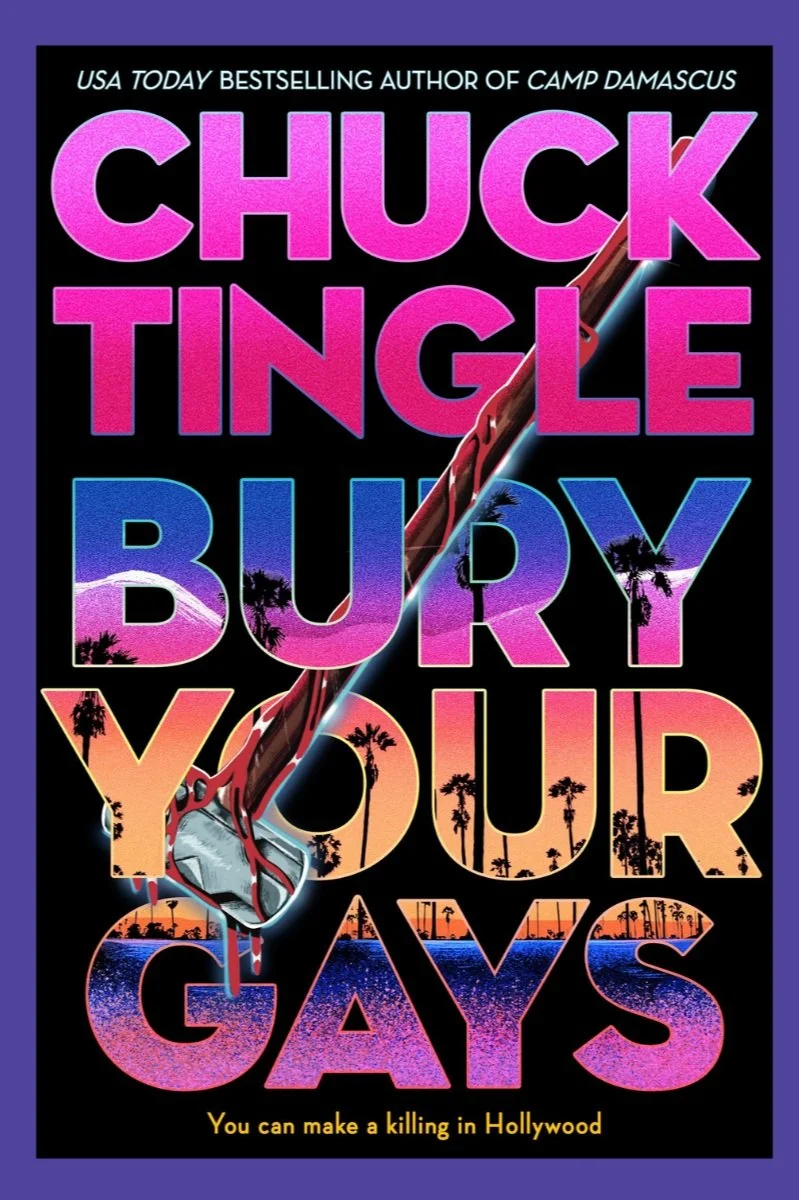
While not aiming for highbrow literature, it offers a perfect mixture of astute social commentary, a dash of camp and a fair amount of meta grievances. We may not know the true identity of Chuck Tingle, but it’s fair to say that like R.F. Kuang and “Yellowface,” he has a proverbial axe to grind with the entertainment machine.
Ben Shattuck has easily delivered a contender for my favorite read of 2024 by weaving together 12 richly drawn, interconnected narratives that span centuries. Masterfully blending elements of historical and contemporary fiction, romance and Americana, there is a little something for everyone in this Northeast-set collection.
My enjoyment of the novel fully hinged on Adina being a true alien. When Bertino made me question this fact, everything that preceded the reveal felt tawdry. While others seem to enjoy this, it ruined an already mediocre story for me.
Bobby Finger did the near impossible. He somehow merged contemporary and historical fiction, paired it with a dash of literary depth, and wrapped it in a cozy sheen perfect for a lazy day on the beach. Yes, dear readers, he somehow made reading about sustained, collective trauma heart-warming. Color me surprised!
Expectation: A unique journey into the mind of a Midwest housewife and baker.
Reality: A 1,000+ page run on sentence with no plot, or seemingly, purpose outside of threading random topics together.
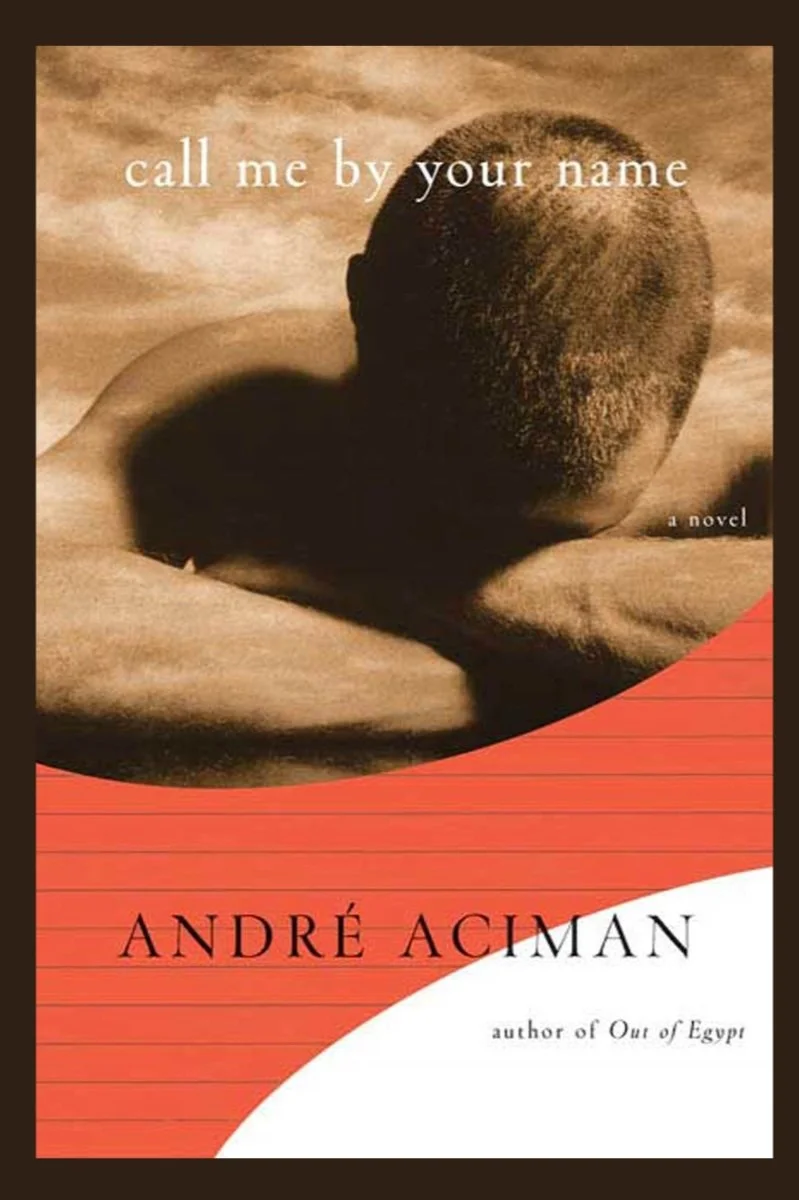
Expectation: Alternating narratives of Elio and Oliver as they make the slow march back into each other’s lives.
Reality: Like four distinct mini-novellas, each offers a slice-of-life look into the motivations and relationships of the men from “Call Me By Your Name.” If you are patient enough for the journey, it pays off.
Expectation: A slow-burn coming-of-age story about forbidden love.
Reality: A beautiful, sensual and deep exploration of desire and connection. While closely aligned to the film adaptation, the source material is worth the read.
I had put off reading Saeed Jones' "How We Fight For Our Lives" for years, expecting a depressing, harrowing manifesto about the multitude of ways America fails Black men. Let this be a lesson in not judging a book by its cover, because Jones instead offers readers a sometimes funny and relatable exploration of growing up gay.
Hutchinson’s conversational writing style allows readers to connect with his experiences and fill in the blanks with their own. It's a reminder that sometimes you’re simply hiding scabs, but you’re never too old to heal the wound. While not necessarily targeted to young adults, the author – a prolific writer in that genre – uses short, fast-paced chapters that mirror the chaos of his internal life.
Expectation: A dark and twisted gay “Bonnie and Clyde.”
Reality: Despite its intriguing premise and well-written characters, "These Violent Delights" is a super slow-burning thriller with too many unresolved plot points that left me wanting more.
Complicated and challenging, Walt Odets' "Out of the Shadows" is not a comfortable read. Part psychology text and part memoir manifesto, it is aimed at helping cis-gendered gay men live authentic and complete lives: emotionally, physically and sexually.
Expectation: A nuanced and authentic portrayal of the early AIDS epidemic in small town America.
Reality: A well-meaning but melodramatic story that felt a bit like young adult fiction.
Expectation: A sprawling saga about one of India’s crime families.
Reality: Less literary than anticipated, I was mostly entertained while also being annoyed by the repetitive action and predictable tropes.
Expectation: A straight-forward re-imagining of “The Adventures of Huckleberry Finn.”
Reality: A dark, engaging story that builds on the source material and delivers a highly entertaining read more attune to our modern sensibilities.