By the end, “Sink” felt like a polished diary – confessional and a little depressing, but largely more meaningful for an audience of one.
Does listening to audiobooks count as reading? Here it does. Let’s discuss your favorite reads — or listens.
By the end, “Sink” felt like a polished diary – confessional and a little depressing, but largely more meaningful for an audience of one.
There are meaty ideas at work here: the spiritual cost of survival, the fragility of utopia, how protection slides into control and how power corrodes even well-intentioned communities. The rotating perspectives allow Saint to be seen as both savior and tyrant, loved and loathed in equal measure. Yet too many of these threads are buried beneath excess.
“Year” is not simply a memoir of grief; it is an exploration of how the mind bends and folds in the face of incomprehensible loss. In just over 200 pages, Didion maps the terrain between shock and mourning with a precision that is at once clinical and devastating.
I still had a few annoyances, but they felt minor because the overall tone is charming in Marvin and Olan’s love story. This is a low-stakes romance that doesn’t pretend to be anything else. I’m still not ready to say I “read M/M romance” as a genre category, but this was a good test case of what works for me and what doesn’t.
A poetic Japanese novel about a married couple whose quiet life in Tokyo is transformed by a visiting cat, “The Guest Cat” explores love, grief, routine and impermanence with quiet beauty and cultural depth. Perfect for fans of literary fiction and animal stories with emotional resonance.
The plot itself is straightforward, almost austere, and not particularly original – May/December and power-imbalance relationships have been de rigueur in literature for centuries. What gives the novel its spark is McCurdy’s refusal to sand down the uglier edges of either character.
Ashley Elston includes all the hallmarks of a genre potboiler: a protagonist with a murky past and razor-sharp instincts, a shadowy organization running black-market jobs, a love interest who might not be what he seems and a series of twists that stack so high they nearly collapse under their own weight. However, she pulls it off – not because she avoids clichés, but because she leans into them with just enough self-awareness to make it work.
Ultimately, “Hamnet” is a moving examination of grief and the quiet costs of ambition. By keeping Shakespeare himself mostly offstage, O’Farrell centers the family left behind. Not for everyone, but worth the time for readers who enjoy dense, atmospheric historical fiction.
Curious who the best and worst audiobook narrators are? I’ve compiled a hall of fame and shame based on five years of audiobook reviews.
If last year was about proving I could still balance being a reader, hobby writer and professional, this year was about trusting that I am one. Reading didn’t compete with the rest of my life – it moved alongside it. That feels like real progress.
With audiobooks making up nearly 80% of my reading this year, what I observed is that great audiobook narration isn’t about performance, range or theatrics – it’s about restraint.
Genre mattered far less than execution. YA, westerns, memoir, horror, literary fiction – even lighter romance – were all fair game. The result is a year light on five-star reads but heavy on discernment. Not a banner reading year, but certainly a clarifying one.
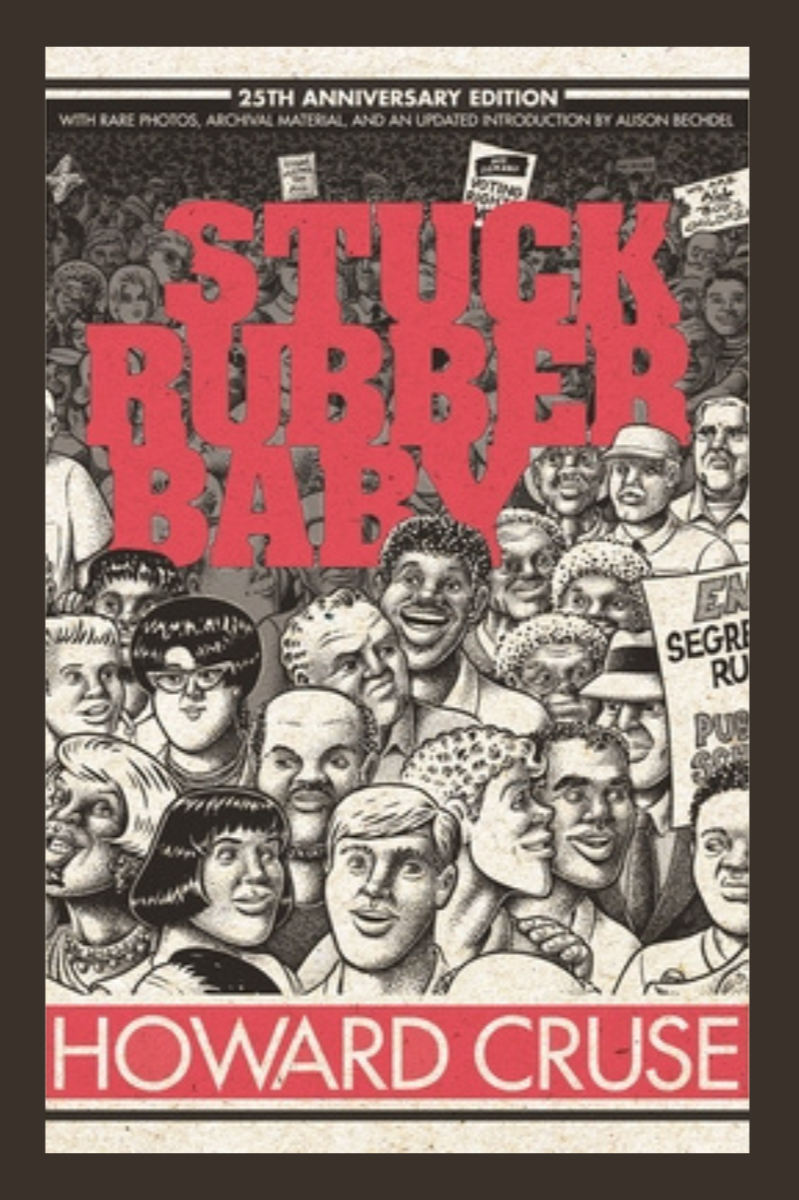
This book may be a pioneer, but I don’t think it’s essential gay reading – not unless you’re interested in a very specific, very dated form of self-loathing filtered through ornate language.
“True True” is far more entertaining than its dust-jacket suggests, and it’s absolutely worth the time. It exceeded my expectations and, like last year’s winner “James,” suggests the National Book Award isn’t afraid of honoring a novel that’s broadly appealing without being shallow.
A tender, character-driven novel about marriages, secrets and small-town lives—sweeping yet intimate, and one of my standout reads of 2025.
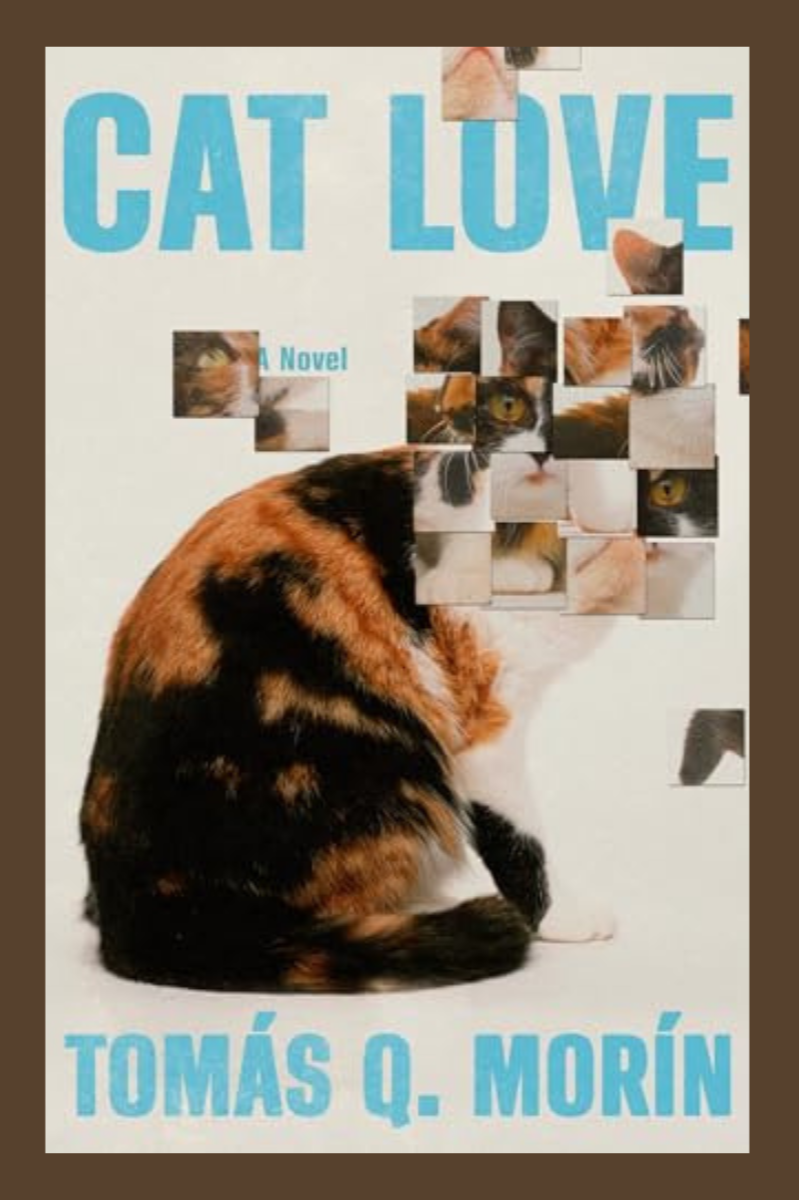
The rotating POVs – Núria, Bong, Collin, Lily, Omar and, of course, Cat – should’ve added texture, but instead it reads like a roll call of “these are the people in your neighborhood,” each with a conveniently tidy arc and a few prepackaged quirks.
If you’re curious, read the first book and stop there. You’ll get the warmth, the melancholy and the best of the concept without watching it grind itself down. And seriously — if you put a cat on the cover, give me a cat in the book.
A mass shooting ties three women together, but despite the emotional setup, “No Hiding in Boise” struggles to go beyond surface-level grief and melodrama. Well-structured, but not all that memorable.
“Heartwood” isn’t the best book I’ve read this year, but it’s among the most gripping. Perfect for readers who want substance and momentum, or book clubs looking for both literary depth and genuine suspense.
This is a hard book beautifully written, and one I’m glad I read. It reminds you that the line between health and sickness, between the life you planned and the one you get, is thinner than we like to believe.