Let’s just say there are very few people - whether white or Black, believer or agnostic - who would not find his words difficult to stomach. However, Baldwin’s testimony is as urgent and necessary today as it was in the 1960s.

Does listening to audiobooks count as reading? Here it does. Let’s discuss your favorite reads — or listens.
All in E-Book
Let’s just say there are very few people - whether white or Black, believer or agnostic - who would not find his words difficult to stomach. However, Baldwin’s testimony is as urgent and necessary today as it was in the 1960s.
The brief “poems” and corresponding animation make this a quick read and it’s worth the time. I loved the way she used the title – always placed at the end – to emphasize the theme or key takeaway. In many ways this made the collection feel lyrical, in that you could easily add music and make it a song.
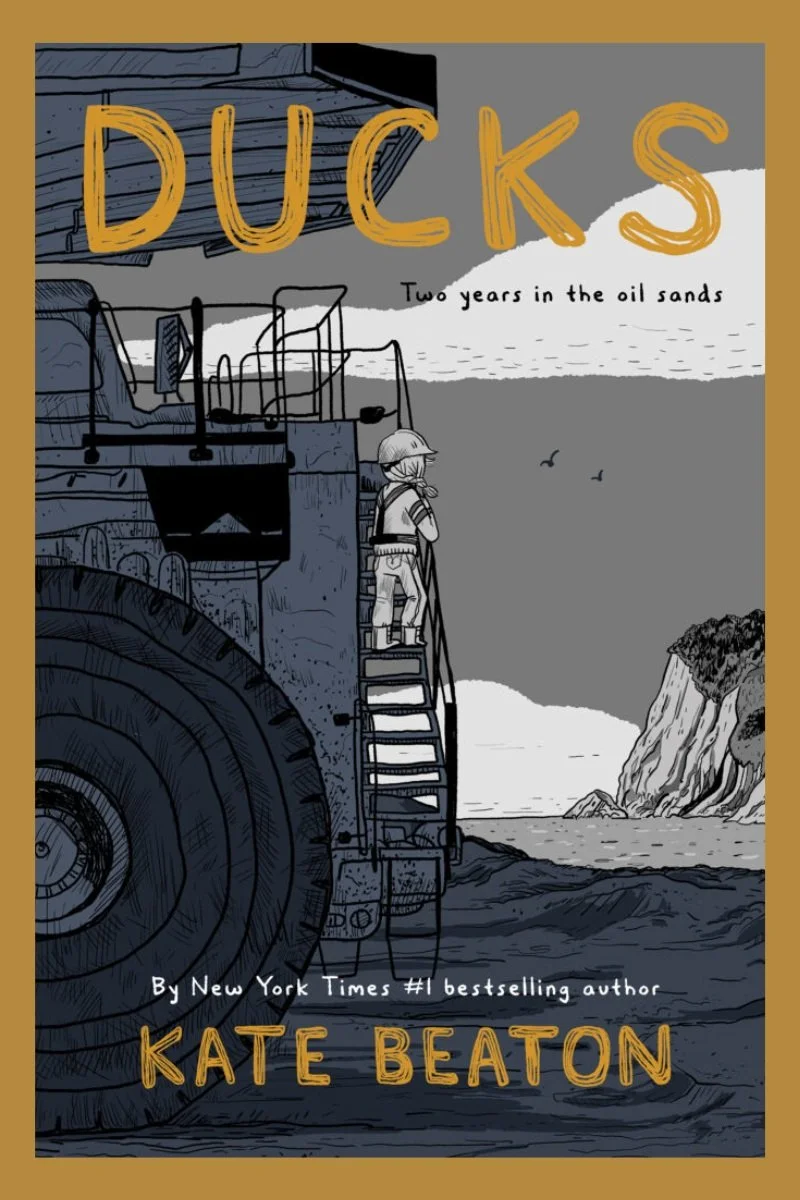
Beaton is a phenomenal storyteller, and I was captivated by this memoir and its images from the first page. While she covers heavy topics - gendered violence, rape, drug abuse and death - she also infuses warmth and humor into the pages, which help the reader understand how she survived the ordeal.
Expectation: A story about three middle-aged friends heading on a vacation to reconnect and lick wounds from failed relationships.
Reality: There’s no vacation, but there is a lot of humor and heart in this lighter read about reconnecting, re-envisioning and reclaiming one's future.
As a whole, I found the series sweet but slight. At times it was repetitive and boring – especially when the human characters were the focus instead of the cats – but Sakurai completely nails the understated joy and endorphin boost of sharing your life with a quirky cat.
Expectation: An American gothic ghost story set in a small town with evil both real and imagined.
Reality: More mysterious than supernatural, the author keeps readers engaged but the payoff wasn’t there in the end.
Expectation: A dramedy about revisiting the people and places you left behind.
Reality: More politically focused than anticipated, there’s a sense of urgency and relatability in the text, especially for middle-aged queer men.
Expectation: A food-themed story collection.
Reality: Only a few stories missed the mark in this solid collection, introducing Christopher Gonzalez as a writer to watch.
Expectation: A breezy graphic novel full of the typical young adult trappings.
Reality: Not a graphic novel and not breezy. The epistolary structure makes it a quick read, but there are multiple chaotic and disturbing plots (see trigger warnings).
DiMarco’s Hollywood experiences are secondary to the true intent of the book – the “love letter to a way of life” – which provide a fascinating entry point into learning about the intersectionality of Deafness and queerness, historical and ongoing biases and the resiliency and pride of this community.
I found Maia Kobabe’s exploration of gender, sexuality and pronouns to be informative and well done.
Maybe my expectations were too high, but “Mother” felt a bit too avant-garde for this casual reader of poetry and instead of being consumed by his words, I felt they created a wall.
Expectation: A whodunnit cashing in on COVID-19.
Reality: A surprisingly clever, sometimes shocking and utterly enjoyable mystery thriller that used COVID-19 as a logical plot point.
Overall, I’d rate this a solid effort. Each volume is good, and three are great, but it also felt like there was a lot of filler, which made the more emotional moments feel hidden. I say this fully recognizing that the length of the series – about 1,700-pages – is what allows the relationship between Charlie and Nick to unfold in a natural, unrushed way, however.
Expectation: To be wowed by this modern classic.
Reality: Even at its slim length, I found it to be an exercise in repetition and tedium.
Expectation: A gorgeously written astute commentary of mid-century American life.
Reality: All of the above, but incredibly depressing and a tad too long.
With “Devil,” Hanif Abdurraqib seamlessly weaves personal anecdotes with historical fact and cultural observation. It’s something that many nonfiction writers and essayists try to do, but I’ve yet to come across a writer that does it as brilliantly as Abdurraqib.
Expectation: A gorgeously written snapshot of life for Black people in the South during the early 1900s.
Reality: The unique format didn’t allow you to learn about all the characters equally, but it did make this a quick, engrossing read.
It feels strange to give an autobiographical story a negative review, especially when it takes courage to share your personal thoughts publicly, but after the first 25 percent, “Apple” was not as interesting as Eric Gansworth thought it to be.
Expectation: An Olive Kitteridge-like main character that has the gumption and resolve to weather all of life’s seasons.
Reality: A story that ended up being more depressing than life-affirming and overall a little pointless.