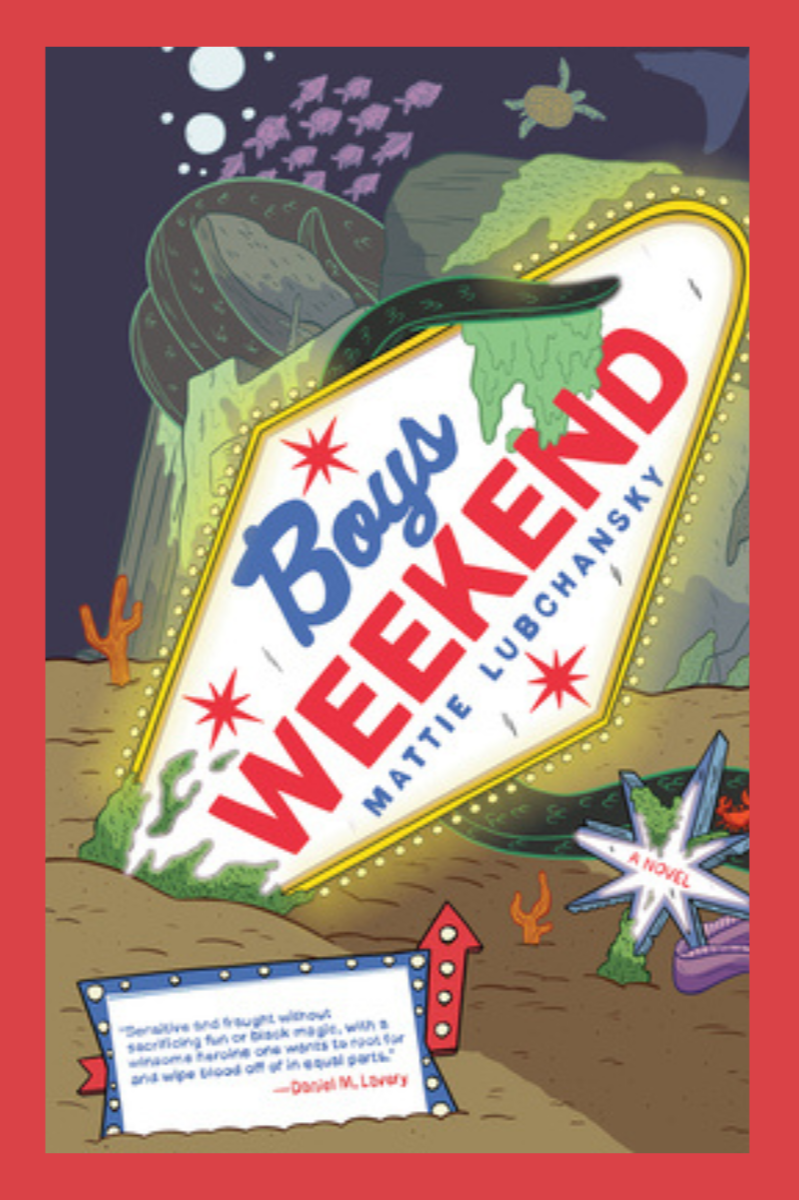
“Boys Weekend” ultimately gave me more interesting ideas than fully developed ones, but it's funny, weird and gory, with enough social commentary underneath the absurdity to give it some bite.
Does listening to audiobooks count as reading? Here it does. Let’s discuss your favorite reads — or listens.
All in E-Book
“Boys Weekend” ultimately gave me more interesting ideas than fully developed ones, but it's funny, weird and gory, with enough social commentary underneath the absurdity to give it some bite.
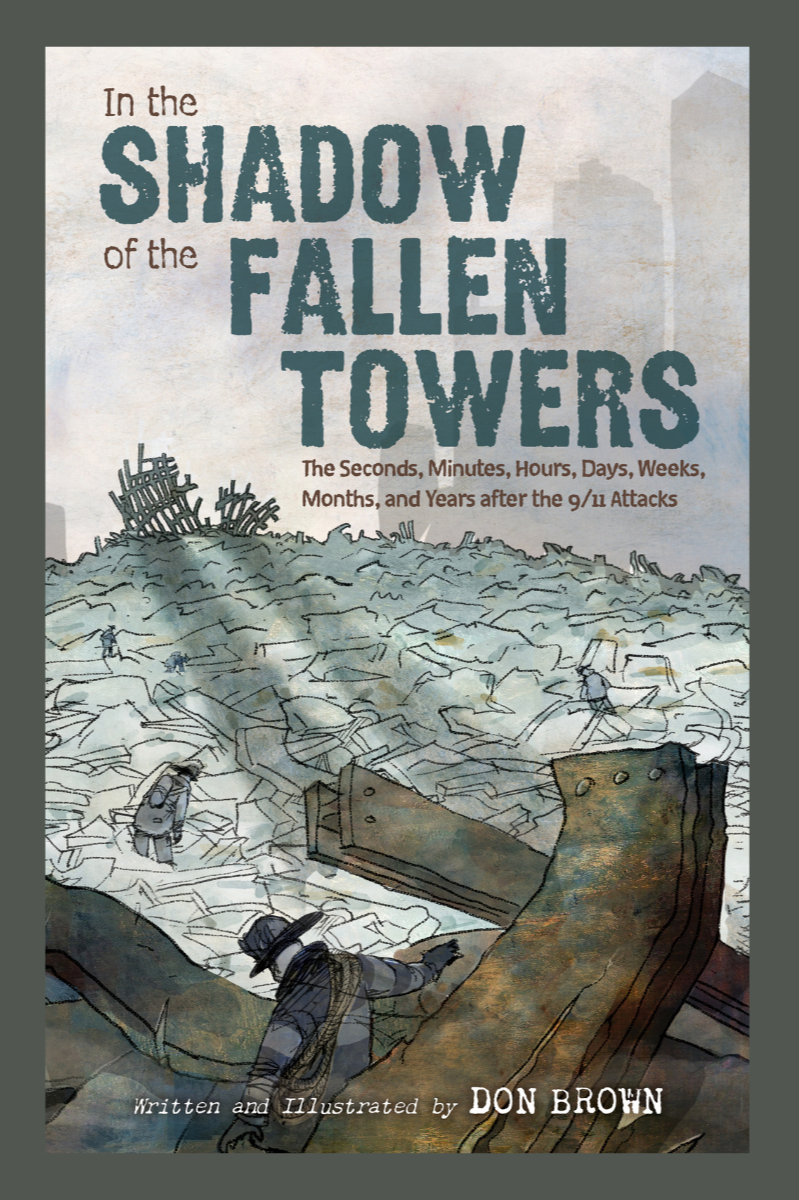
This is not a book for people who lived through it, at least not primarily. It's better understood as a primer for the generation that didn't — young readers who know 9/11 as a historical event rather than a lived experience, and who may not fully grasp the scale of what followed.
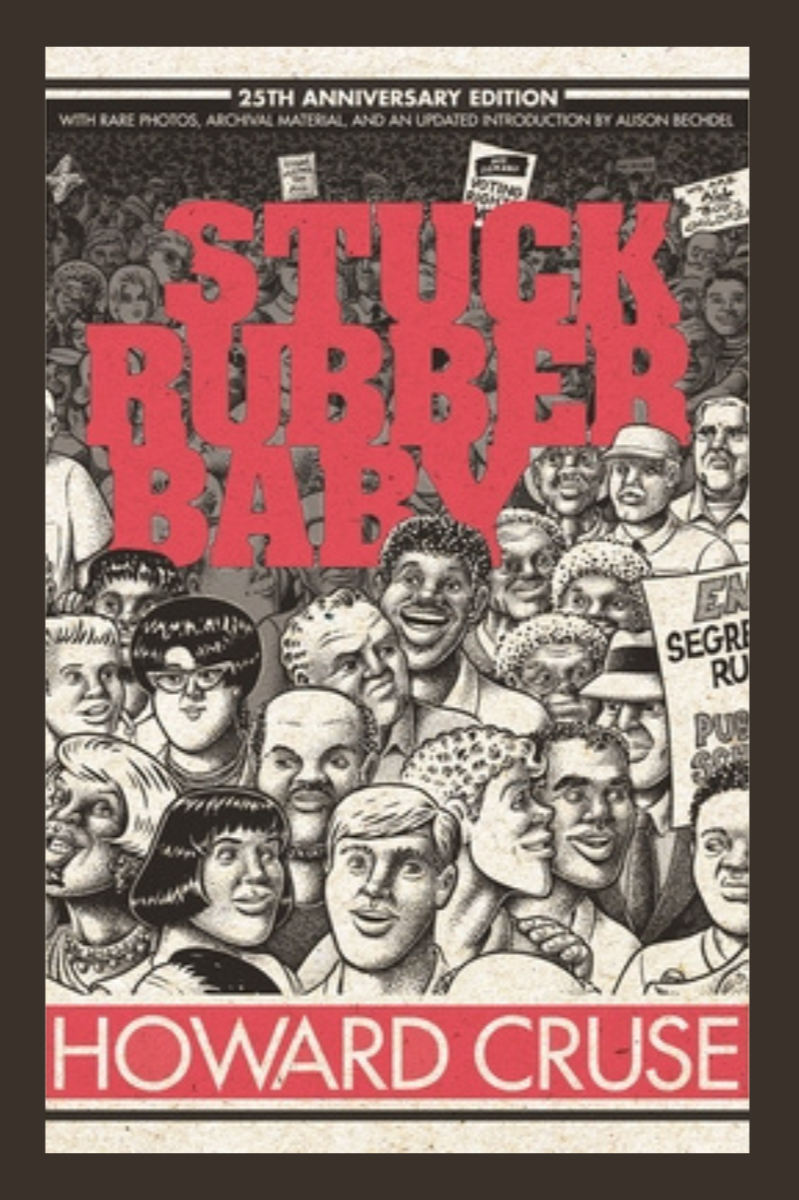
Howard Cruse's 1995 graphic novel is probably the best-drawn I've ever read — and the most demanding. Set in 1960s Alabama, it traces a young gay man's parallel awakenings around racism and his own sexuality, rooted in Cruse's real life. The artwork earns five stars, but the storytelling is closer to three.
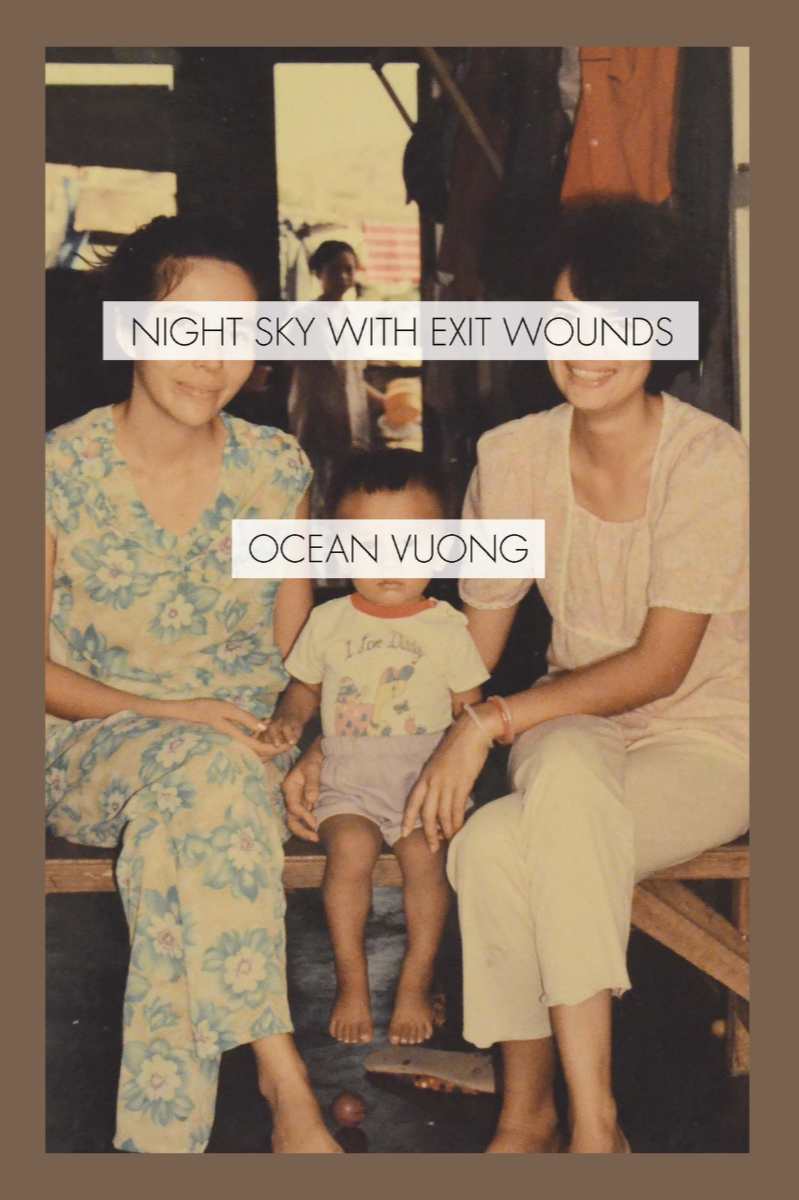
I saved Ocean Vuong's debut for last — after both novels and his second poetry collection. Reading "Night Sky With Exit Wounds" in reverse revealed just how fully formed he was from the start. Ambitious, occasionally imperfect and unmistakably Vuong throughout.
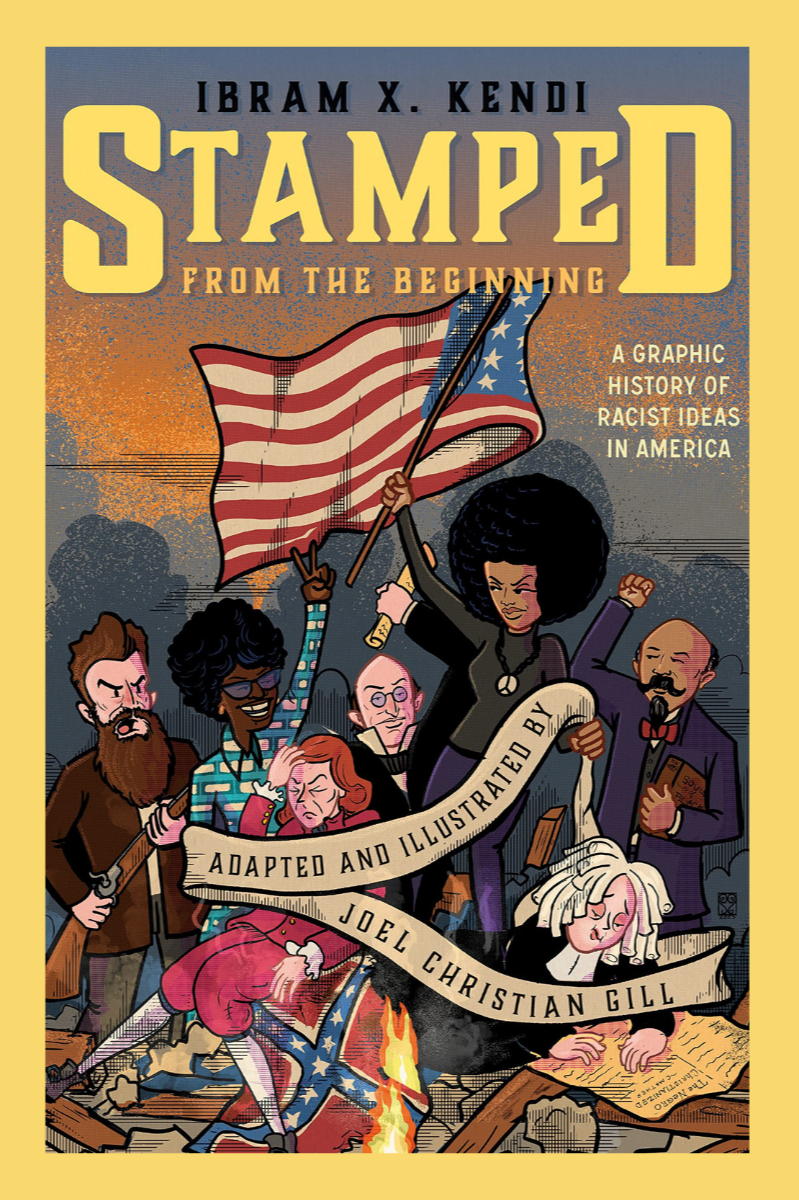
This isn’t an easy read, even in graphic form. It’s confrontational and, at times, exhausting. But it pushes back against the comforting fiction that racism is episodic or aberrational. The book argues that racist ideas are adaptive — that they evolve to protect power. Addressing them requires confronting the structures and narratives that sustain them. As an entry point, this is a solid place to start.
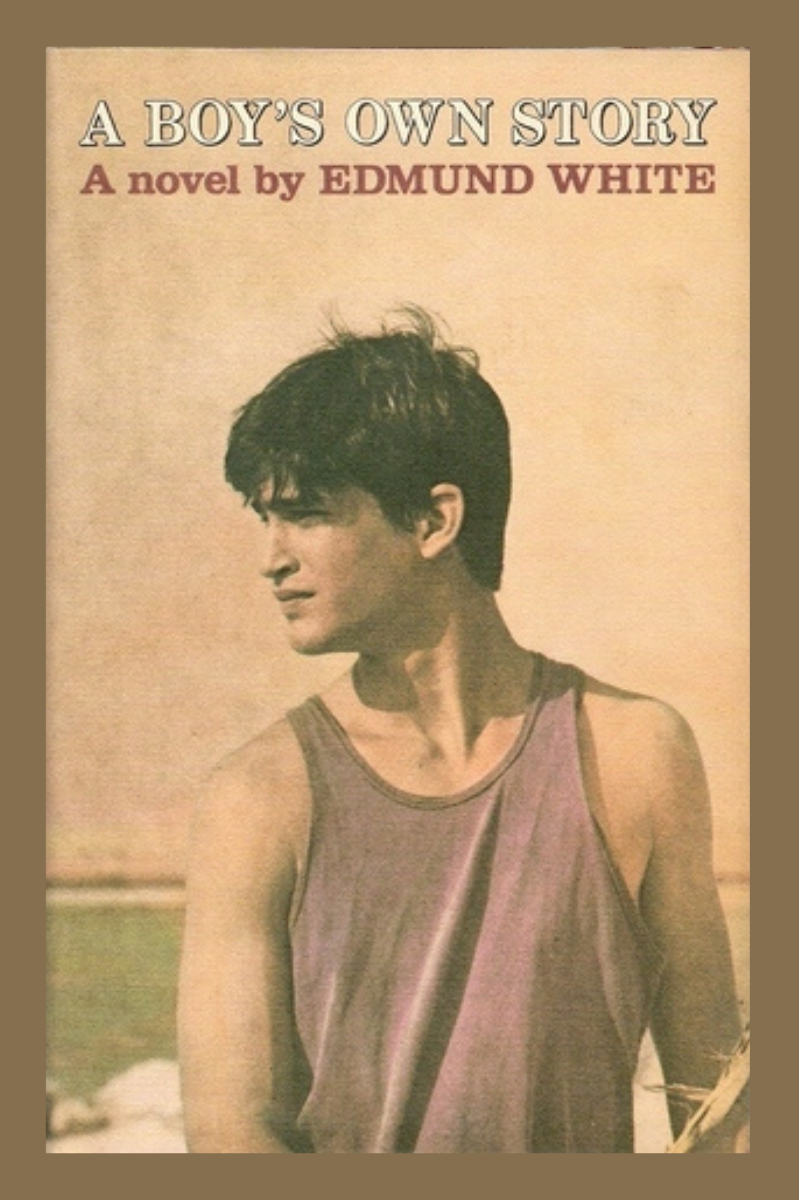
This book may be a pioneer, but I don’t think it’s essential gay reading – not unless you’re interested in a very specific, very dated form of self-loathing filtered through ornate language.
“The Midnight Knock” starts with tense, noir-tinged horror and an irresistible mystery, but its overstuffed mythology can’t match the promise of its first half.
Set in early 2000s Seattle, “Gaysians” follows a newly out gay man who finds belonging in a tight-knit group of queer Asian friends. With bold, disco-inspired art and themes of identity, racism and resilience, Mike Curato delivers a heartfelt, funny and emotionally rich graphic novel. Perfect for fans of “Flamer” or readers seeking queer stories that center joy as much as struggle.
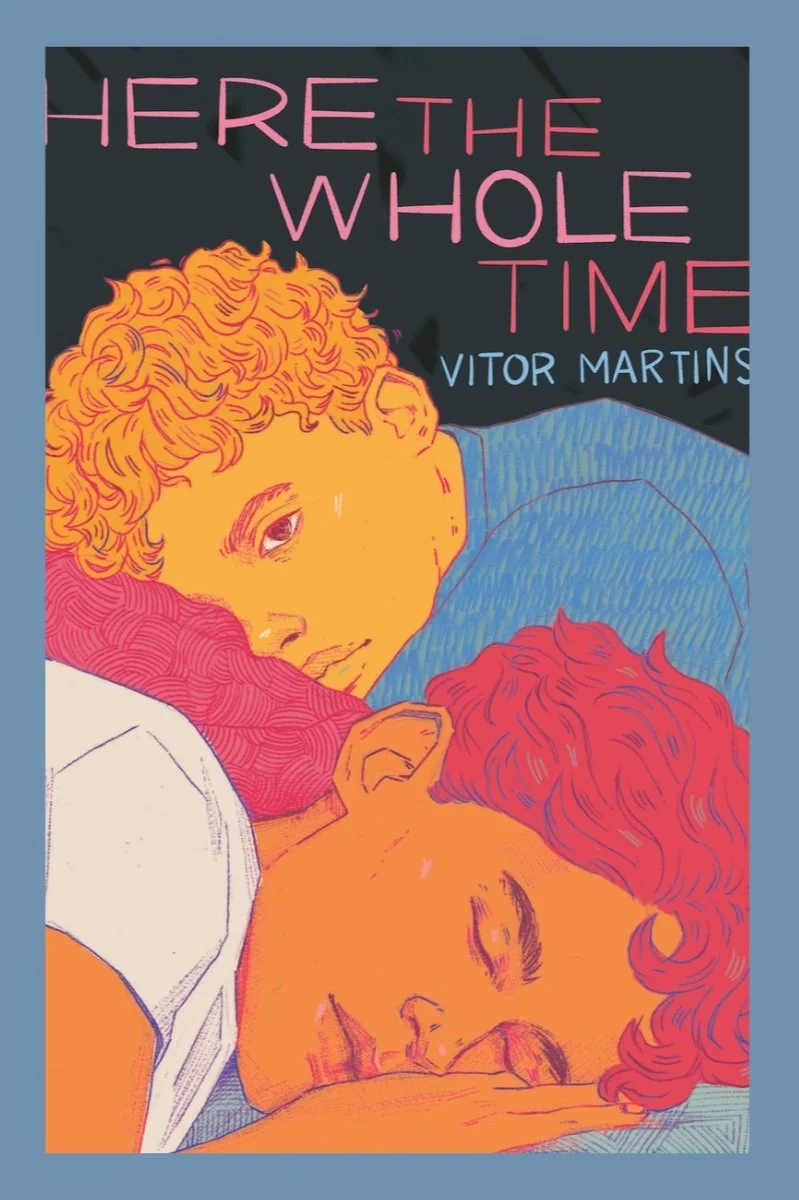
If you’re looking for a quick, affirming read with queer representation, a strong voice and a refreshingly gentle tone, “Here” is a great way to spend an afternoon.
Ultimately, this collection serves as both a time capsule and a stepping stone in Abdurraqib’s evolution as a writer. It lacks the full polish of his later work, but the rawness and energy make it an essential read for those who appreciate music, culture and the ever-shifting landscape of America.
A chilling exploration of power, oppression and the fragility of democracy – far from light reading, especially given today’s political climate – even those familiar with the series will find the novel a more visceral experience.
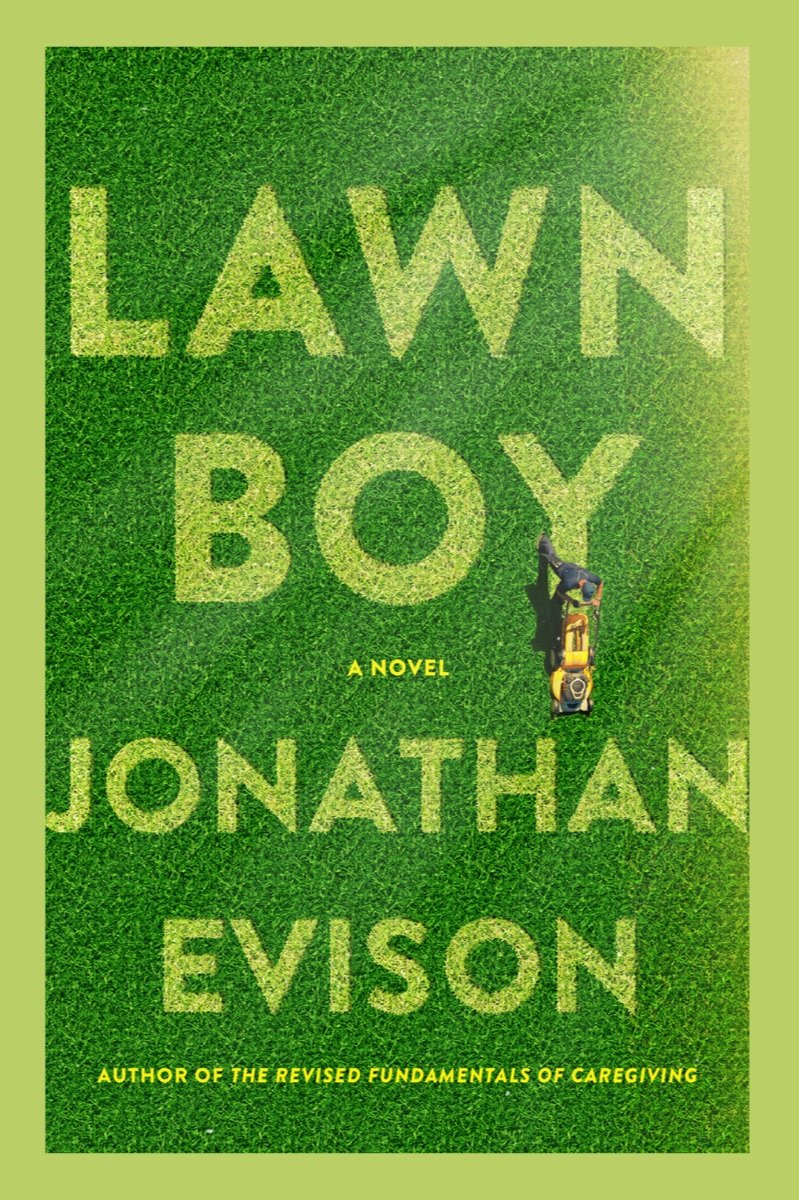
Jonathan Evison’s “Lawn Boy” attempts to tackle social inequality with humor and heart, but its execution falters. While the book has been challenged for fleeting references to sex and gender identity, these objections feel exaggerated. The real discomfort lies in its critique of systemic barriers that make stability and success elusive for marginalized communities—a critique that some may find hard to swallow.
"Woe" serves as both a touching tribute to a beloved cat and a comforting reminder to those who have lost a four-legged friend that their sorrow is valid and shared.
While the author primarily focuses on the experiences of straight white men, his narratives transcend the typical masculine tropes. With raw emotional honesty, he taps into the inner workings of the male psyche, examining the impact of toxic masculinity, friendship, fatherhood, trauma, loss, identity and nature on the common man.
The first half of the book had genuinely good moments, and I'll give the author credit for including a cursed black cat—one of the few charming touches. By the end, however, the story lost all coherence, and I was skimming the last few chapters. All-in-all, “Craven Manor” is simply a gothic misadventure.
While the graphic novel was initially intriguing, it felt a bit lacking in depth, particularly considering its length. I also began to question the necessity of Backderf telling this story. He was only a passing acquaintance of Dahmer, so the armchair psychology and hindsight observations felt a tad inflated.
Alexander Chee’s essay collection is first and foremost a showcase of his nearly unmatched talent. It's a celebration of the craft, of teaching and of the relentless pursuit of one’s artistic vision. Yet, for all its brilliance, the book is dreadfully boring.
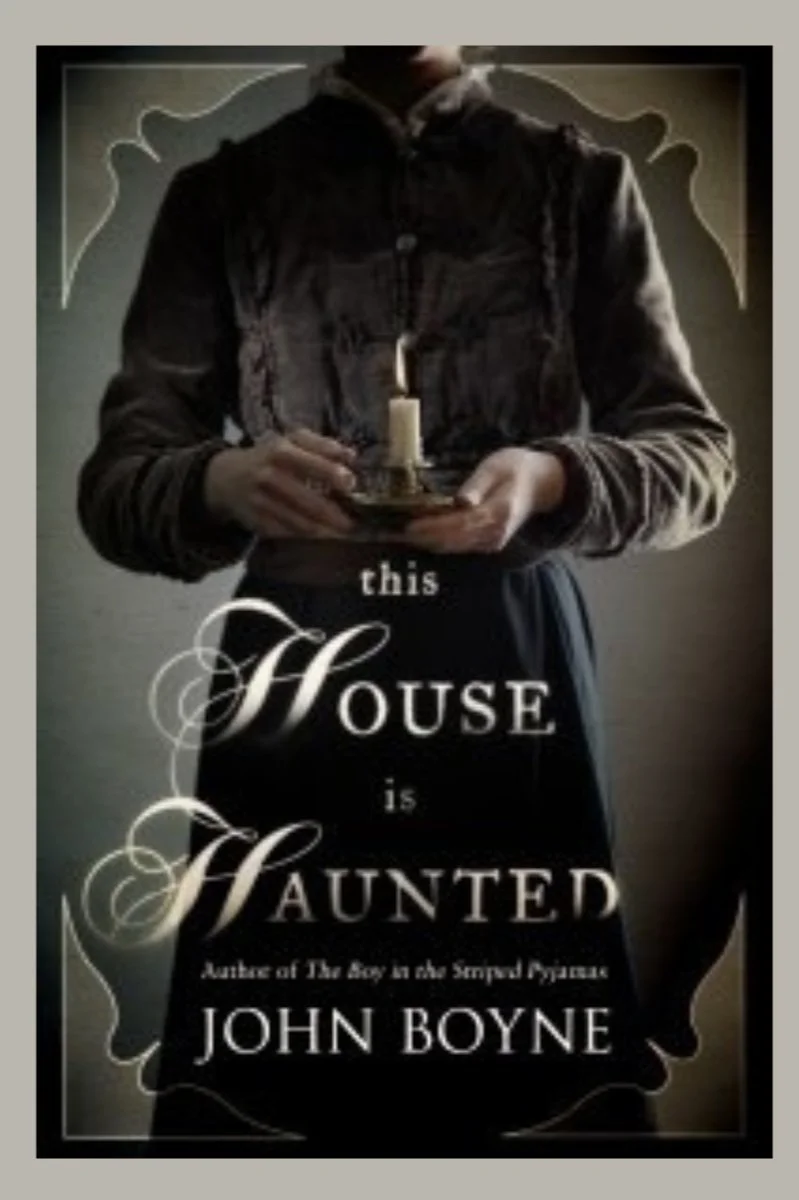
"This House is Haunted" channels the spirit of a Victorian gothic novel with John Boyne capturing the genre's signature atmosphere and whispered gossip about dastardly deeds at a remote English estate. This unique blend of classic setting and contemporary heroine is the novel's greatest strength in what is otherwise a passably but mostly mediocre affair.
“No Road Home” is a good read, but it’s not groundbreaking. Fans of religious-themed horror and dastardly families (think “Ready or Not”) will appreciate this more than most. Readers picking this up hoping for a queer-focused story, like “The Bright Lands,” may be let down. Shortcomings aside, I’d still give Fram another shot.
A choppy narrative and sparse illustrations made it difficult to truly connect with the emotional turmoil Crewes walks the reader through. Initially intended as a 10-page micro-comic, it certainly appears that was the right length for a story that felt incredibly thin.