All tagged ARC

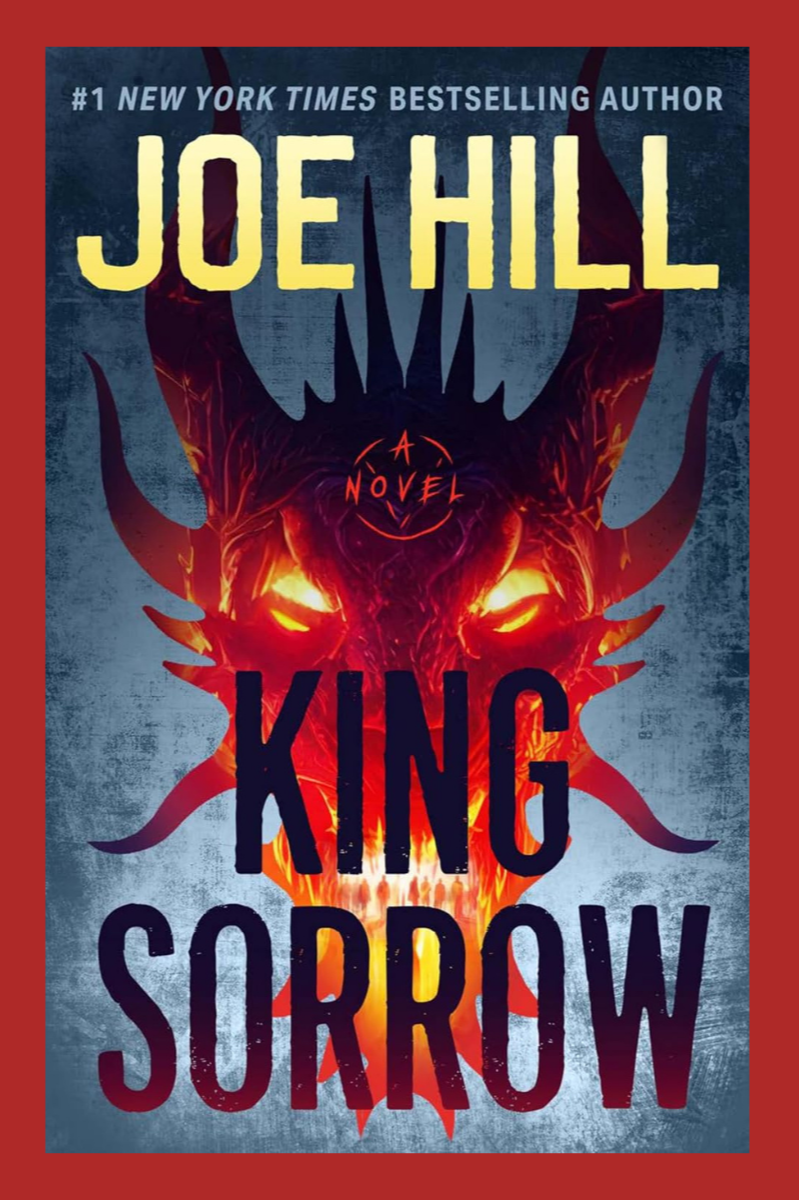
King Sorrow – Joe Hill

Part supernatural horror, part found family drama, part political satire but all entertaining. Six college students summon a dragon and spend decades paying for it. Ari Fliakos delivers one of the year's best audiobook performances. My first-time reading Joe Hill, but it won’t be my last.
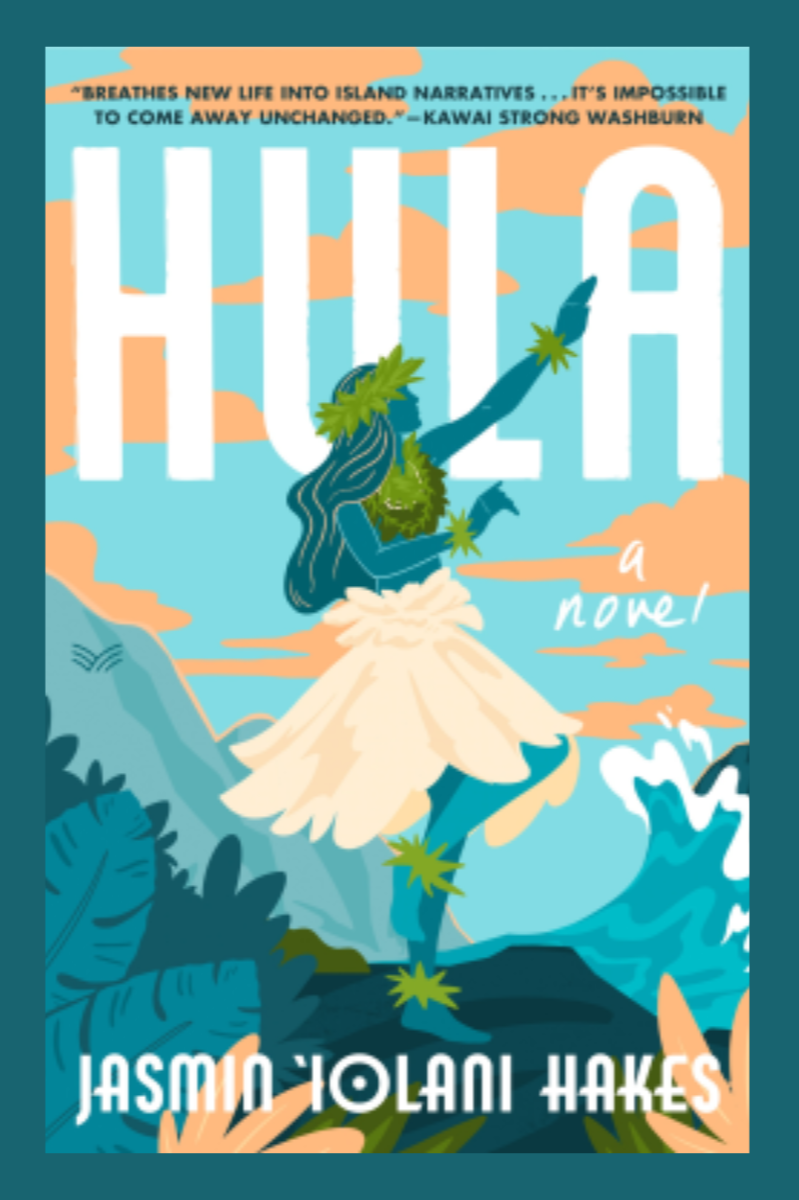
Hula – Jasmin Iolani Hakes

 It’s an intergenerational family saga, yes — and that structure is familiar — but Hakes integrates real historical and political texture more convincingly than many sprawling historical fiction attempts. It left me more emotional than I expected, and I would absolutely read Hakes again.

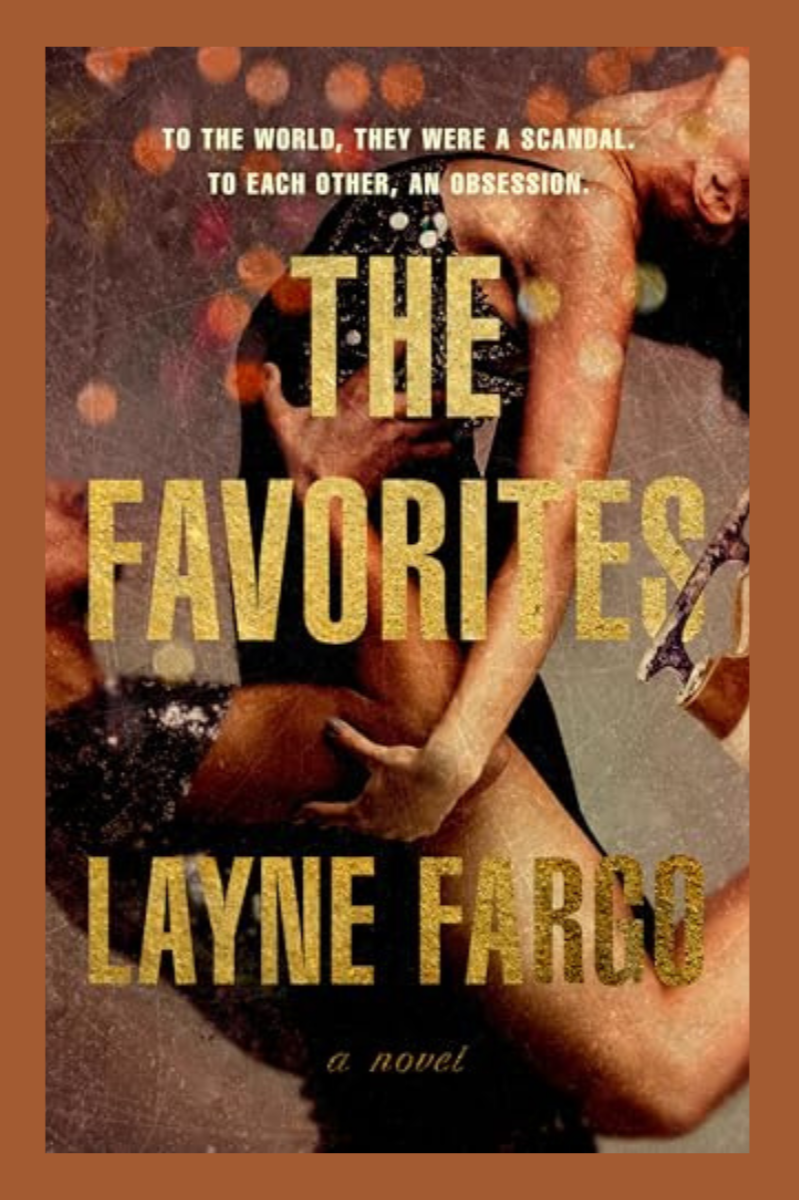
The Favorites – Layne Fargo

The drama escalates to a level that strains credibility, particularly around the Olympic fallout and the Sochi scheming. At a certain point, the twists feel less sharp and instead repetitive bloat. I kept thinking this could have been 100-pages shorter. It’s not high art, but it’s also not trying to be.


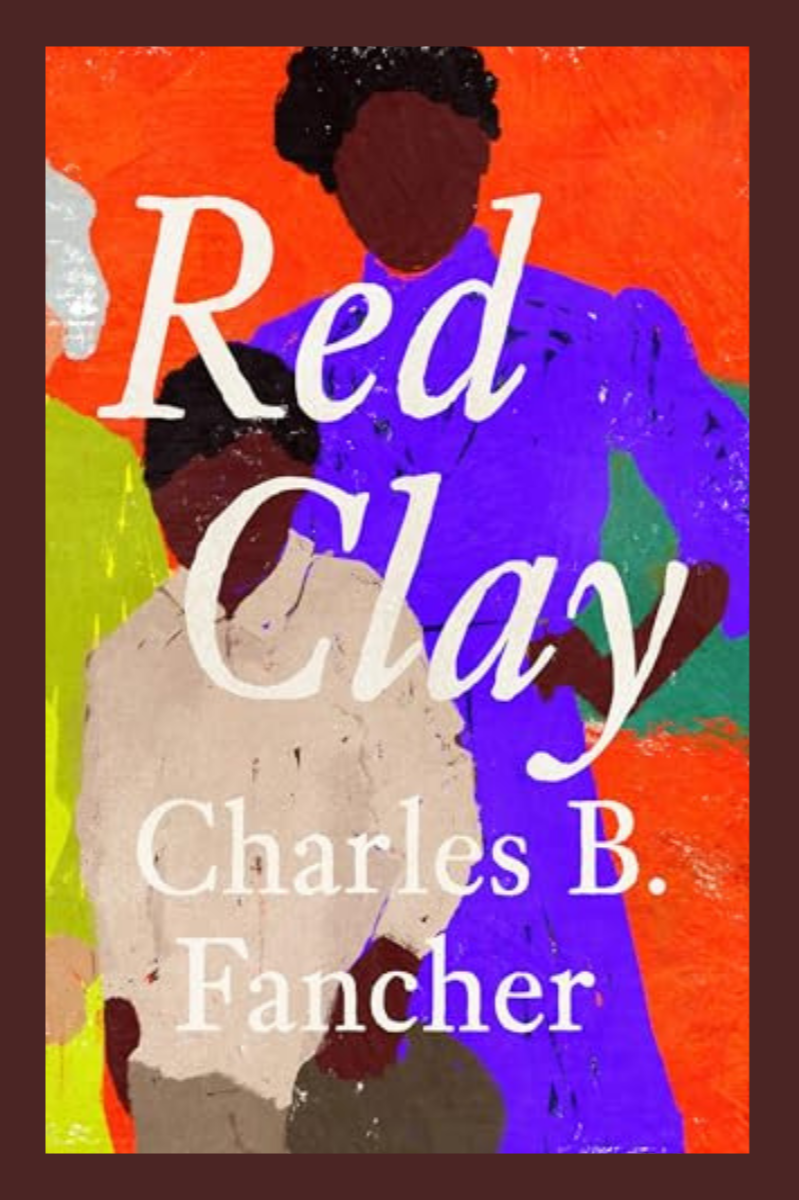
Red Clay – Charles B. Fancher

Earlier on, I felt like I had stumbled onto a hidden gem, one that was sharp in its observations about Reconstruction without being preachy or sentimental. Instead, the novel veers into revenge-thriller territory and loses much of its credibility. Had this been published after Percival Everett’s “James,” I might have assumed Fancher was trying to chase the same idea.

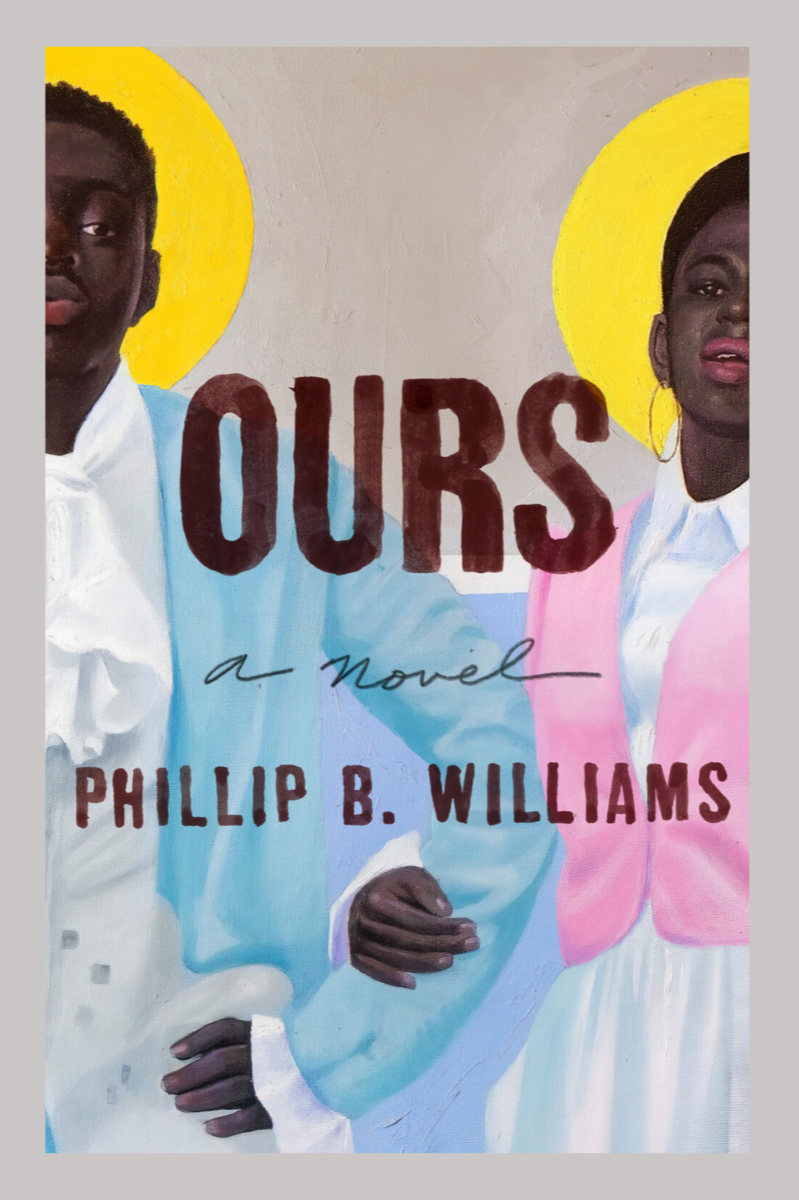
Ours – Phillip B. Williams

There are meaty ideas at work here: the spiritual cost of survival, the fragility of utopia, how protection slides into control and how power corrodes even well-intentioned communities. The rotating perspectives allow Saint to be seen as both savior and tyrant, loved and loathed in equal measure. Yet too many of these threads are buried beneath excess.

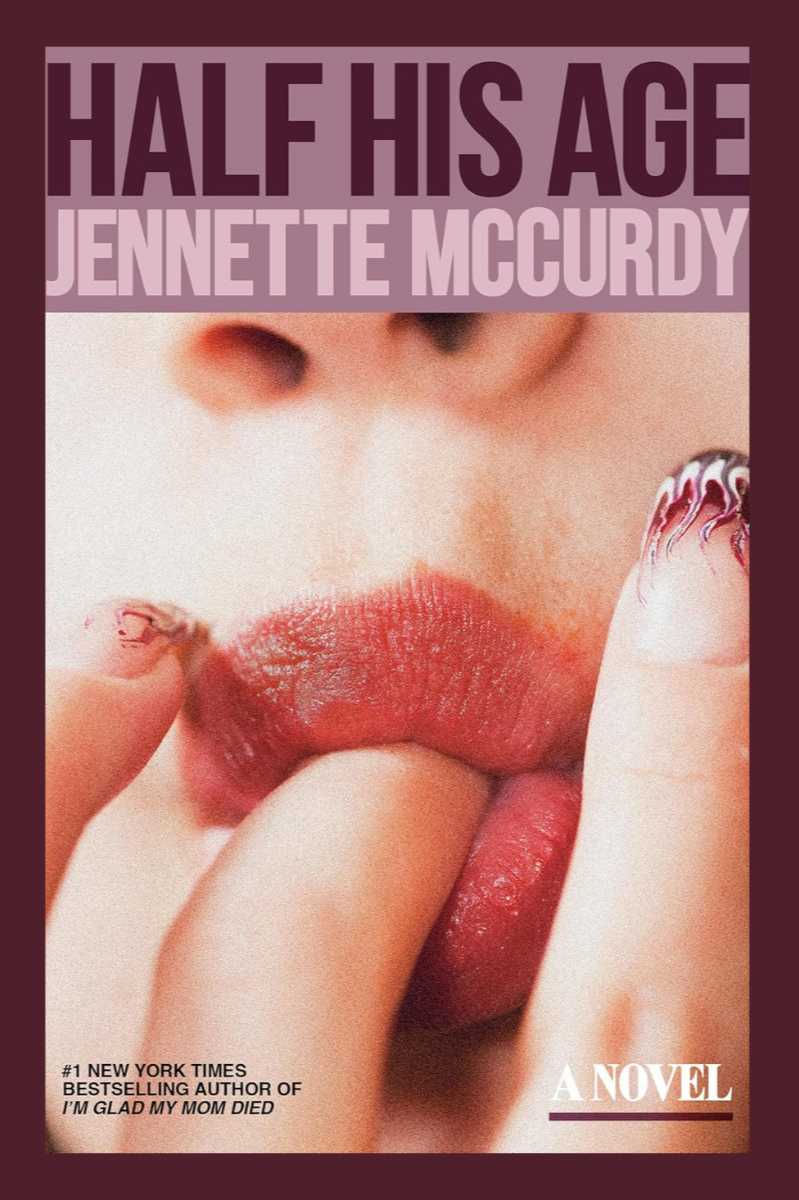
Half His Age – Jennette McCurdy

The plot itself is straightforward, almost austere, and not particularly original – May/December and power-imbalance relationships have been de rigueur in literature for centuries. What gives the novel its spark is McCurdy’s refusal to sand down the uglier edges of either character.

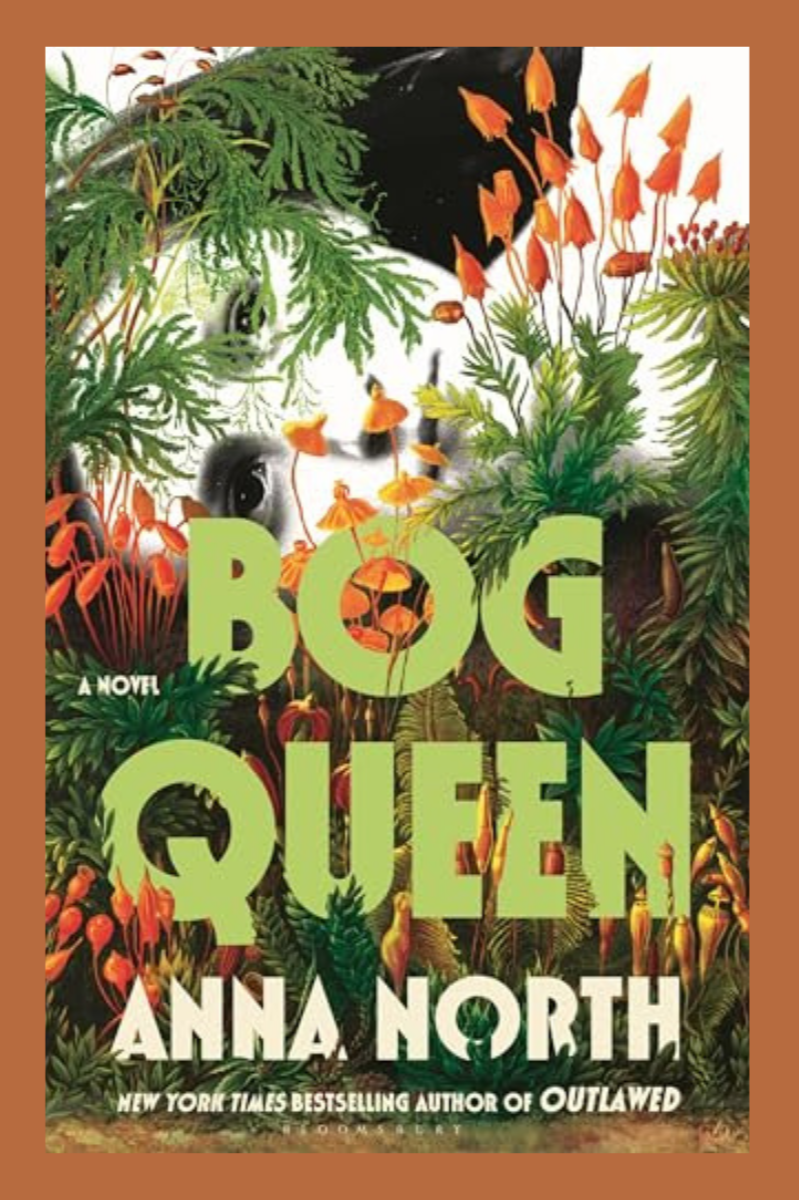
Bog Queen – Anna North

Anna North’s latest blends murder mystery, myth and environmental tension into something that’s part archaeological thriller and part exploration of land and legacy. It’s beautifully written but also oddly paced, making it a story that feels both historic and contemporary, though not always cohesive.

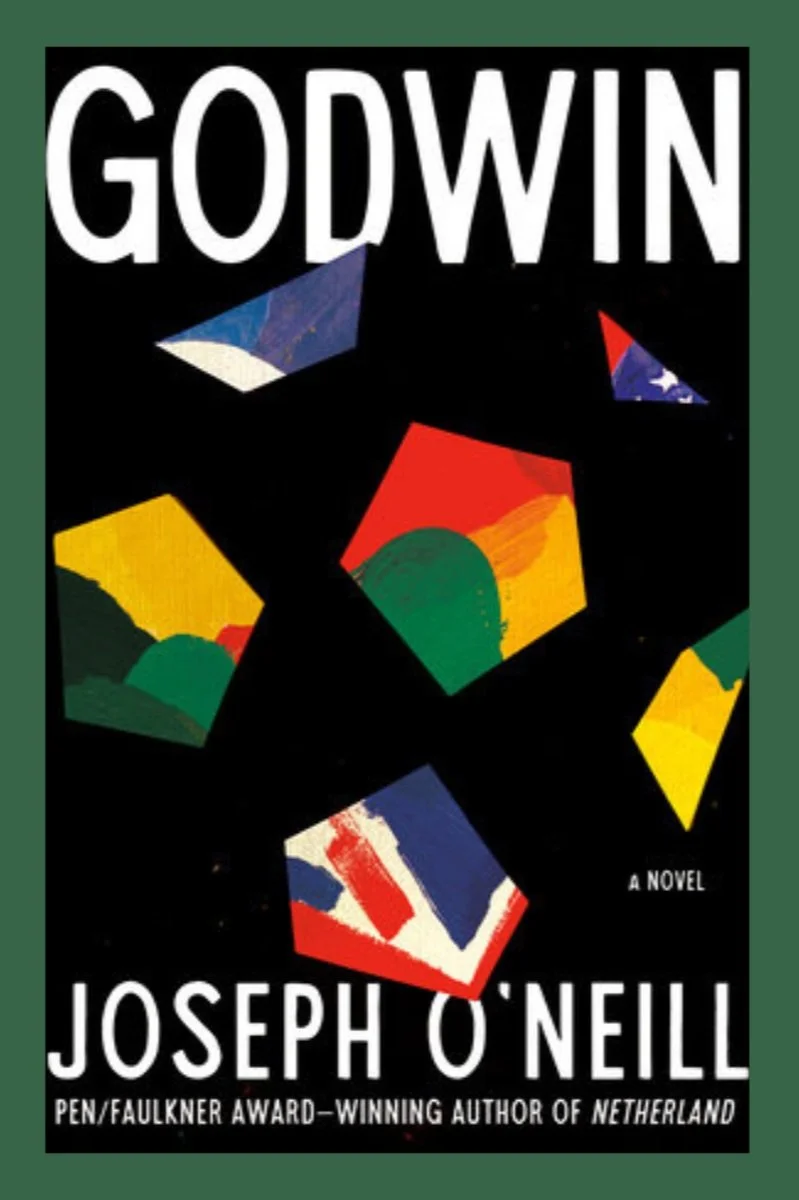
Godwin – Joseph O’Neill

Split between two narrators – Mark Wolfe, a self-absorbed technical writer from Pittsburgh, and Lakesha Williams, his diligent and thoughtful work colleague – the story kicks off with a mundane office conflict that feels disconnected from the rest of the novel's ostensible focus: the search for Godwin, a young African soccer prodigy. This odd opening sets the tone for a book that reads like two distinct narratives clumsily stitched together.

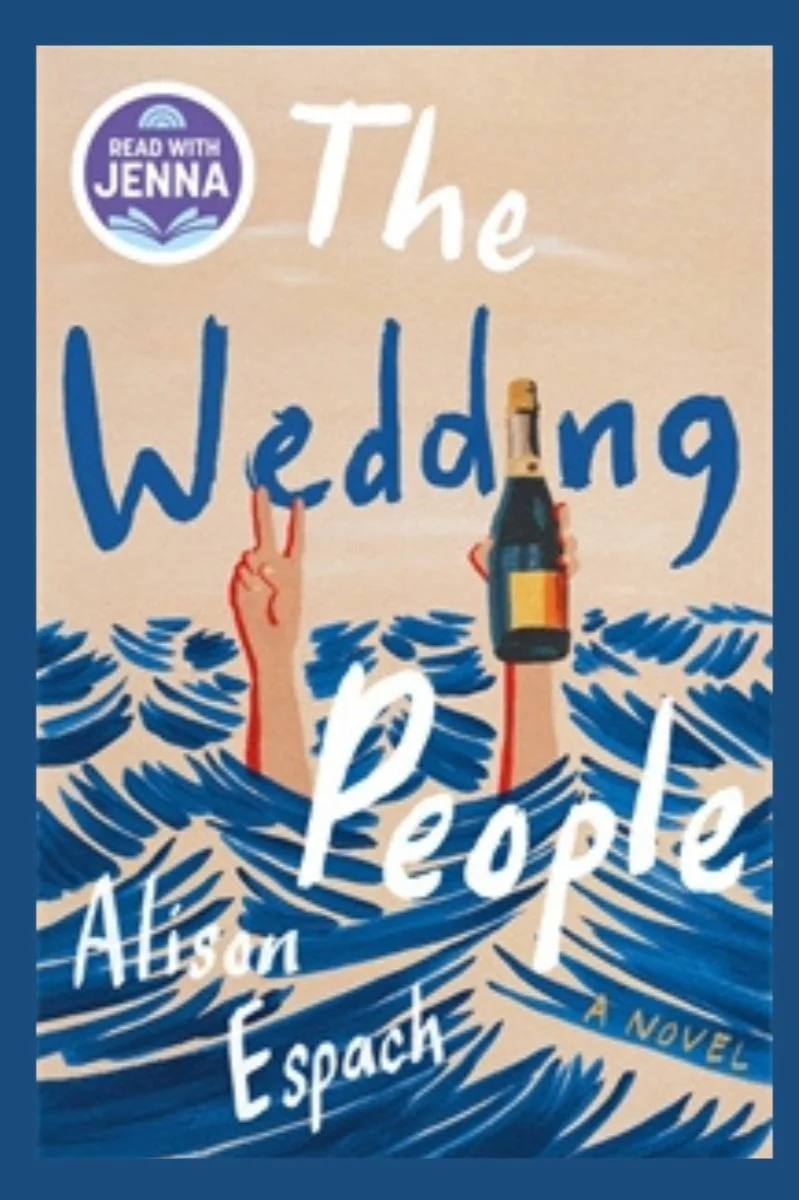
The Wedding People – Alison Espach

There’s only so many ways a “person hellbent on dying finds a reason to live again” plot can feel fresh. For the first quarter of the novel it felt very familiar (I couldn’t help but think of Matt Haig’s “The Midnight Library”), but Espach quickly drew me into the lives of Lila and Phoebe, two women navigating a week of unexpected soul-searching.

No Road Home – John Fram

“No Road Home” is a good read, but it’s not groundbreaking. Fans of religious-themed horror and dastardly families (think “Ready or Not”) will appreciate this more than most. Readers picking this up hoping for a queer-focused story, like “The Bright Lands,” may be let down. Shortcomings aside, I’d still give Fram another shot. 

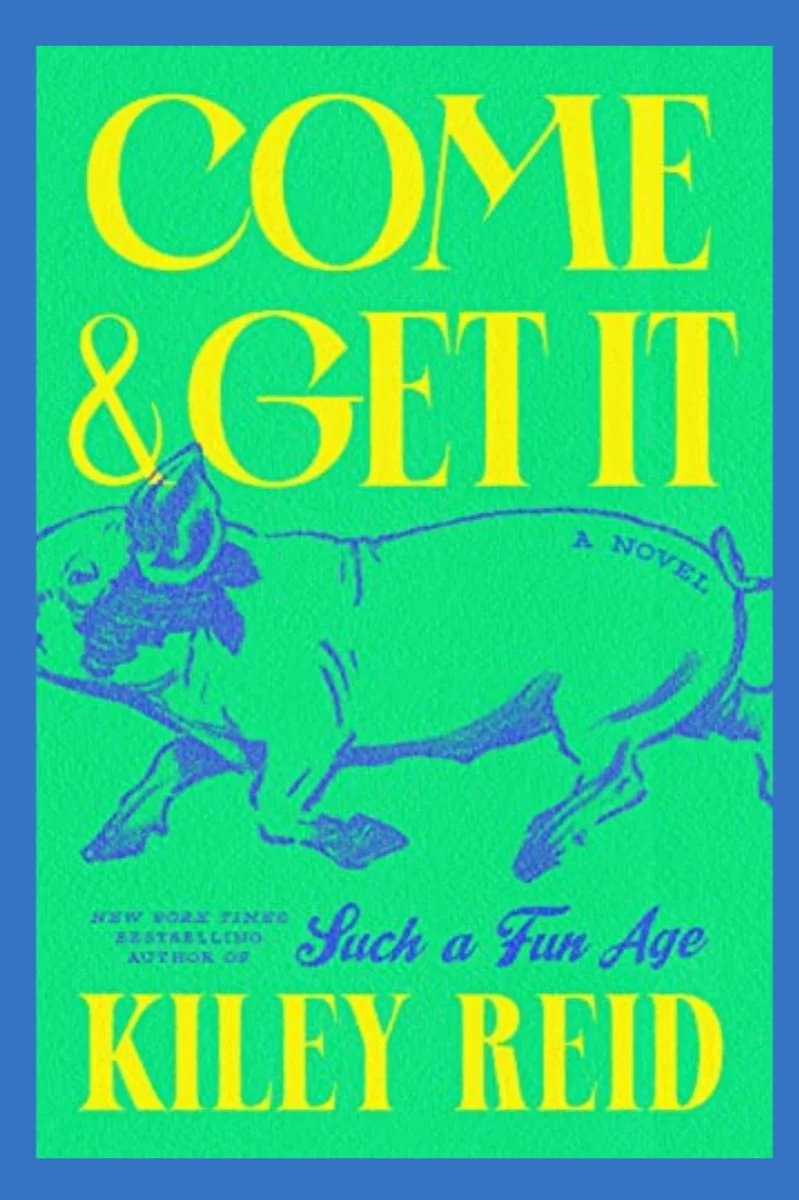
Come & Get It – Kiley Reid

Expectation: A racially-charged exploration of college life in the Southern United States. 

Reality: A dissection of capitalism from the perspectives of different students, professors and resident advisors delivered with biting commentary and razor-sharp dialogue.