The Singer’s Gun – Emily St. John Mandel
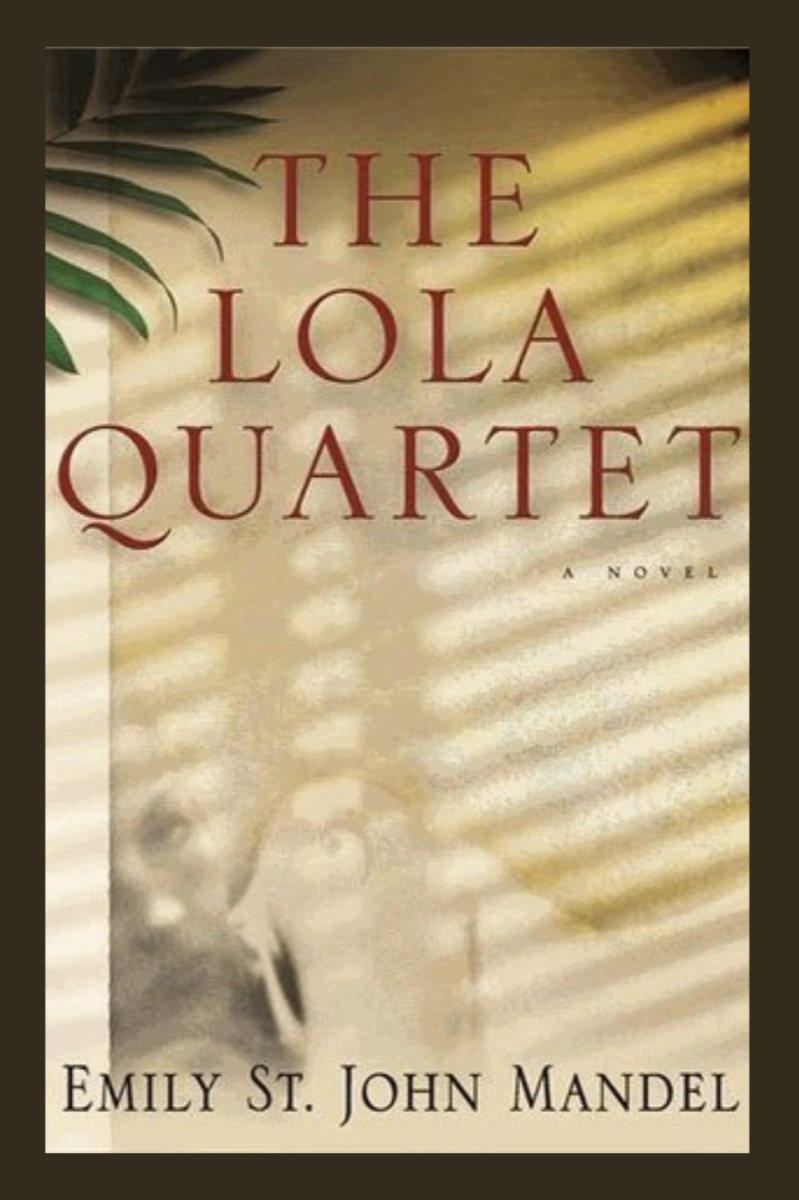
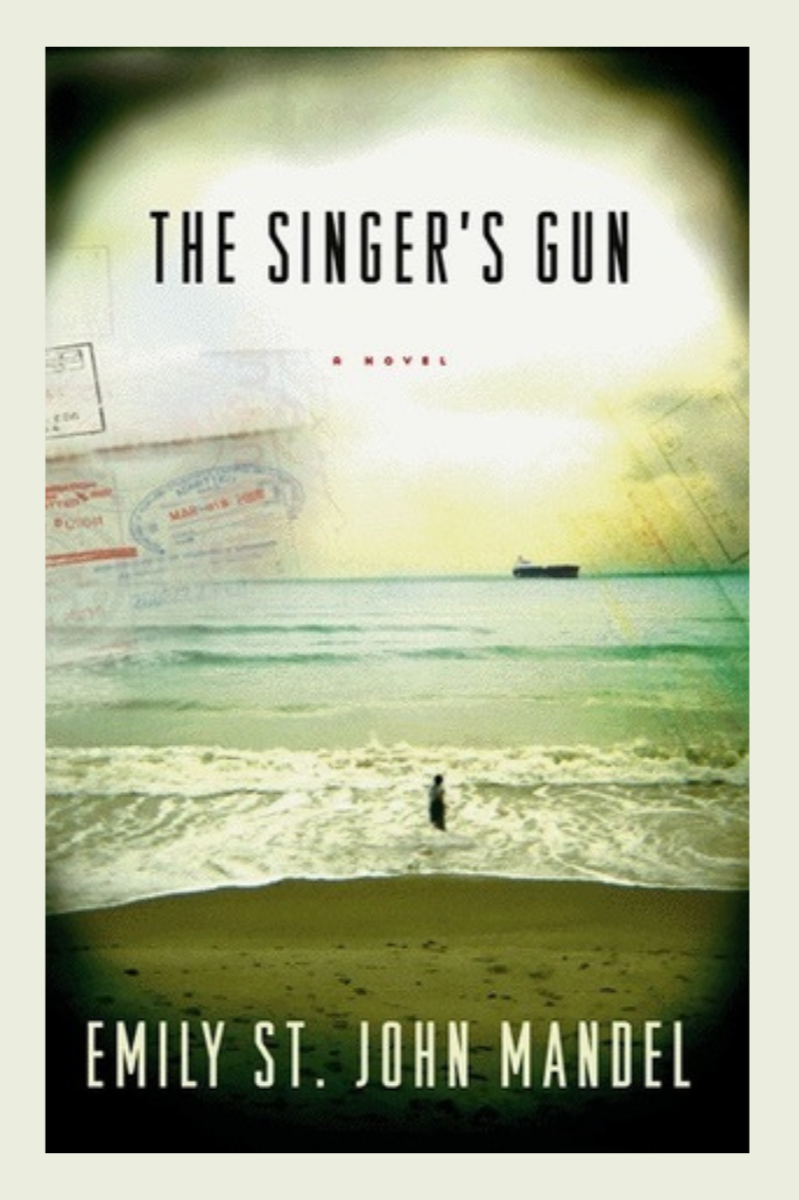
I came to "The Singer's Gun" without high hopes. After slogging through "The Lola Quartet," I was skeptical about spending more time in Emily St. John Mandel's early noir period, but from the opening pages it's clear you're reading the same writer who would eventually produce "Station Eleven" and "The Glass Hotel."
Anton Waker was born into a family where criminality is essentially the family business. His parents deal in stolen goods, and after high school his cousin Aria recruits him into selling forged passports and Social Security cards. Eventually Anton gets nervous about where those documents might end up and walks away, reinventing himself as a spectacularly ordinary middle manager.
He's built the respectable life – thanks to a falsified Harvard degree – he wanted. He's engaged to Sophie, a cellist who has already called off the wedding twice, has a one-eyed cat named Jim and is working on a project involving New York City's vulnerable water infrastructure. Then a routine background check starts surfacing details from the life he thought he'd left behind.
Meanwhile, State Department special agent Alex Broden is investigating a human trafficking case involving Eastern European women that left one person dead. Her investigation leads to Elena, Anton's secretary, a Canadian who dropped out of Columbia after one semester and remained in the country using documents she purchased years earlier from Anton and Aria. Elena also happens to be having an affair with Anton.
There's quite a bit of plot here, but unlike "The Lola Quartet," it rarely overwhelms the characters. Anton and Elena are genuinely interesting, and their relationship gives the novel a reason to exist beyond the question of how Anton's past will catch up with him.
Mandel still indulges in one of her early-career habits that drives me a little nuts: people withholding basic information simply because revealing it would eliminate the mystery. There's plenty of cagey dialogue and purposeful vagueness, but the intrigue and interconnectedness are handled much better here. You can also see the preoccupations that will follow Mandel into her later work: ghosts, glass rooms, container ships and people haunted by those they hurt. Anton is also a cat guy, which naturally won me over.
After finally marrying Sophie, Anton decides to remain behind on their honeymoon in Ischia, supposedly to write a book. What he doesn't know is that Sophie has already decided to leave him. What Sophie doesn't know is that Elena is pregnant with Anton's child. And what Anton doesn't initially know is that Elena has been cooperating with Alex's investigation and recording their conversations.
Everyone is keeping something from everyone.
Meanwhile, Aria has blackmailed Anton into one final job in Italy, pulling him back into the criminal world he thought he'd escaped. A widower and former cocaine dealer named David offers to complete the handoff for him and is killed, opening up the possibility that Anton could simply disappear.
This unexpectedly reminded me of Neil LaBute's play "The Mercy Seat," which I saw in London in 2003 and has stuck with me ever since. Its premise involves a man having an affair during the September 11 attacks who, after being presumed dead, considers using the tragedy as an opportunity to abandon his old life and disappear with his lover.
Mandel repeatedly invokes 9/11 throughout "The Singer's Gun," and while I have no idea if she was influenced by LaBute's play, I couldn't stop thinking about the similarity: when the world thinks you're gone, how tempting is it to become someone else?
That's really what "The Singer's Gun" is about. Passports and Social Security cards make identity literally transferable, but nearly everyone here is trying to reinvent themselves in some way. Anton wants to become respectable. Elena wants to become American. Aria wants to survive. Even the mysterious singer of the title – a woman Anton meets who claims to have killed a man and gone on the run – is living somewhere between the person she was and whoever she's becoming.
The immigration storyline also lands differently in 2026 than it likely did when the novel was published in 2010. Deportation, documentation and the precarity of living in a country where your ability to remain can hinge on a piece of paper give the story a timeliness Mandel couldn't necessarily have anticipated.
I would've liked more explanation for some of the betrayals, particularly Anton's family's willingness to sacrifice him beyond simple self-preservation. But Mandel brings the pieces together nicely without making the ending too neat. Alex gets the answers she's been chasing, while Anton and Elena seemingly get their chance to start over, except Anton now knows she cooperated with the investigation and secretly recorded him. Happily ever after, with an asterisk.
The audiobook, narrated by Morgan Hallett, is also solid, especially after the narration of "The Lola Quartet." Hallett plays with accents and gives the characters distinct personalities without ever losing the slightly morose sheen the story requires.
I liked this quite a bit. More than that, "The Singer's Gun" feels like an important bridge between Mandel's early novels and the writer she would become. For fans of her later work, I'd consider this essential reading.
Rating (story): 4/5 stars
Rating (narration): 4/5 stars
Format: Audiobook (personal library)
Dates read: August 7 – August 9, 2026
Multi-tasking: Good to go. The plot is intricate enough that background listening will occasionally lose you, but the pacing is steady enough that you can recover. The final act rewards closer attention.