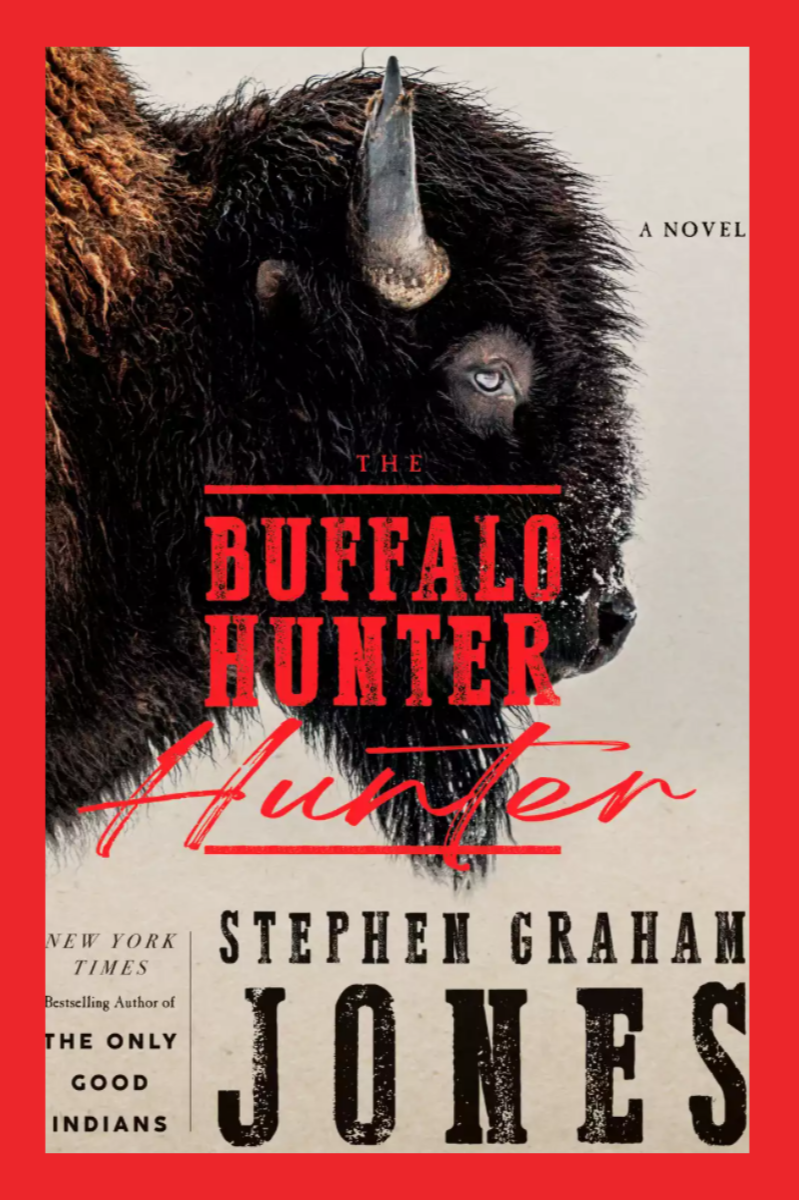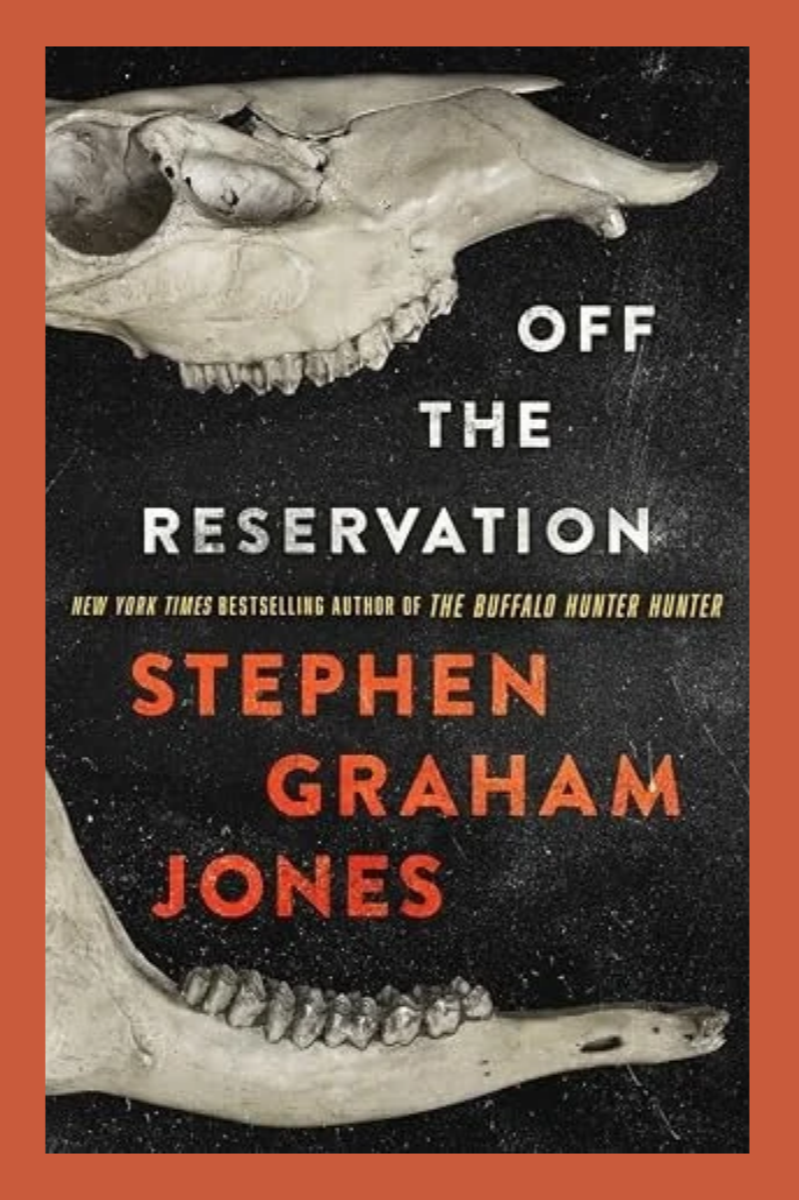
Off the Reservation – Stephen Graham Jones
Stephen Graham Jones is one of those rare horror writers whose mediocre books are still better than most authors' best efforts. "Off the Reservation," a sequel to "The Only Good Indians," is a prime example. It's uneven, occasionally disjointed and takes far too long to get going, but when Jones finally unleashes the carnage, it's a gloriously unhinged road trip from Hell.
It's been six years since I read "The Only Good Indians," and my review was light enough on plot and characters that a Wikipedia refresher was necessary. Five years have passed in the novel, too, and Nathan Yellow Tail, one of the teenage survivors of the original massacre, is still dealing with its physical and emotional aftermath.
When a burglary gone wrong leaves his best friend comatose and Nate badly injured, he's recruited by three older Blackfeet for a cross-country trip to recover the remains of an Indigenous child who died at the Carlisle Indian Industrial School. The hope is that returning the bones to Montana will restore some balance to their lives.
Naturally, things don't go according to plan.
For the first third, Jones spends a lot of time establishing the characters and their respective traumas. Then, in a clever bait and switch reminiscent of "Psycho" or "Scream," he upends the entire narrative. By the halfway point, the brakes are off, and we're treated to the wonderfully grotesque combination of psychological and monster horror that he does so well. The malevolent Father X, whose fascination with the deaths of Indigenous children dates back to Jamestown, dispatches innocent bystanders with the casual brutality of Michael Myers.
What makes Jones such an effective horror writer is his ability to weave social commentary into the scares without sacrificing either. Here, the legacy of Indigenous boarding schools and the violence of colonization become inseparable from the supernatural terror. Possession itself takes on another meaning as an invading force consumes bodies and threatens future generations. It's an interesting concept that gives the novel more substance than its increasingly outrageous body count might suggest.
Unfortunately, the final stretch loses much of the gory glee that makes the middle so entertaining. There are too many characters with too many competing motivations, and only Nate and Benjamin feel fully realized. I particularly wanted more from Christian, a trans character whose story deserved greater attention.
Father X also becomes less frightening the more we learn about it, and the concluding revelations, while offering some interesting commentary on identity and belonging, get buried beneath increasingly convoluted supernatural developments. Jones has all the right ingredients, but he keeps adding more when he should be bringing them together.
This is my fourth Jones novel, and while it didn't give me the chills he apparently experienced while writing it, there's still plenty to appreciate. Like Stephen King, he has an extraordinary knack for creating genuine unease, even when the storytelling doesn't entirely come together. He's also likable, something reinforced by his acknowledgments, which trace the book's inspirations through literature, movies, personal experiences, news articles and, of all places, Applebee's.
The audiobook features Shaun Taylor-Corbett, Darrell Dennis, Tomi Endter, Kimberly Guerrero and Jana Schmieding, who collectively do an excellent job bringing the characters to life. I couldn't tell you who narrated which parts, but the ensemble approach works particularly well with the shifting perspectives. If graphic body horror makes you queasy, listening might be preferable to seeing every gruesome detail on the page.
Thanks to Libro.fm, Simon & Schuster Audio, and the author for a free copy of the audiobook in exchange for my honest review.
Rating (story): 3/5 stars
Rating (narration): 4/5 stars
Format: Audiobook (personal library)
Dates read: October 18 – October 22, 2026
Multi-tasking: Okay. The shifting perspectives and increasingly convoluted supernatural developments demand some attention, especially as the story's mysteries begin to unravel.