All tagged not worth the time
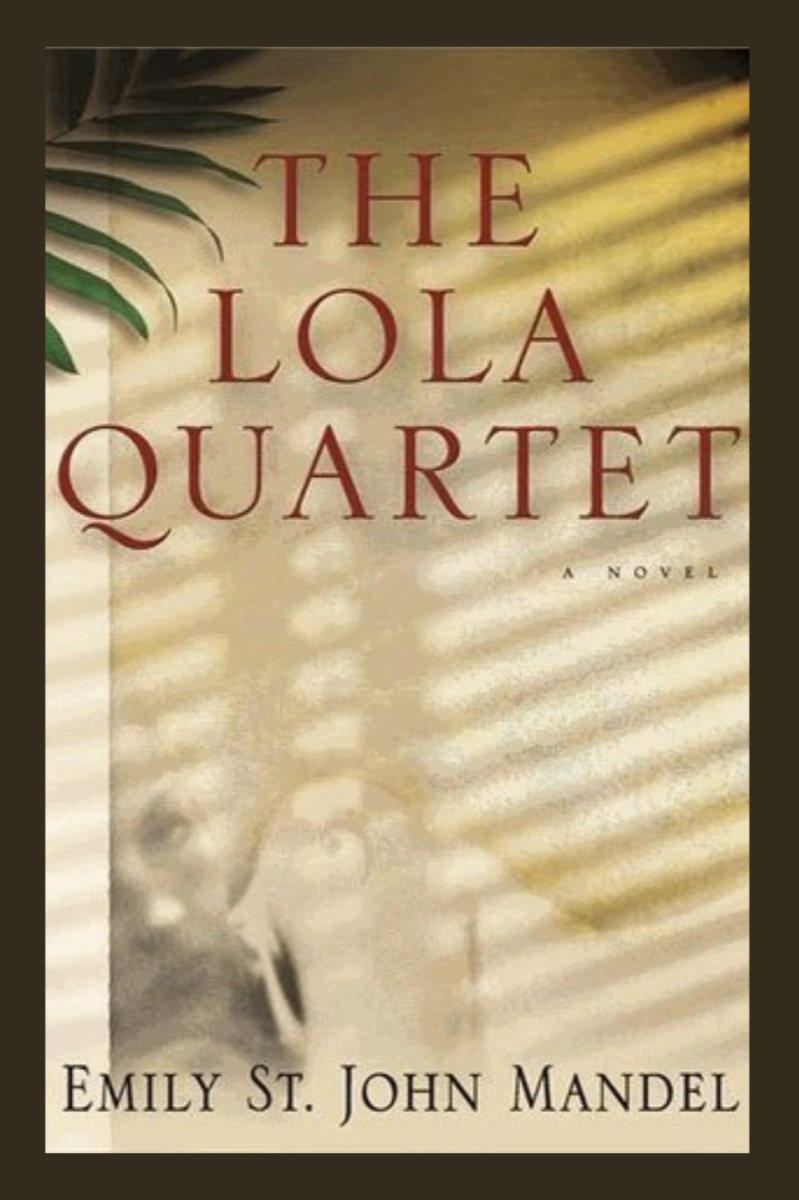
This is early work, and it shows. The fluid dialogue, character interiority and structural confidence that made her later novels excellent is absent here. What you get instead is a choppy, noir-inflected mystery that is competently assembled, occasionally interesting and populated almost entirely by characters who are, without exception, kind of dumb.
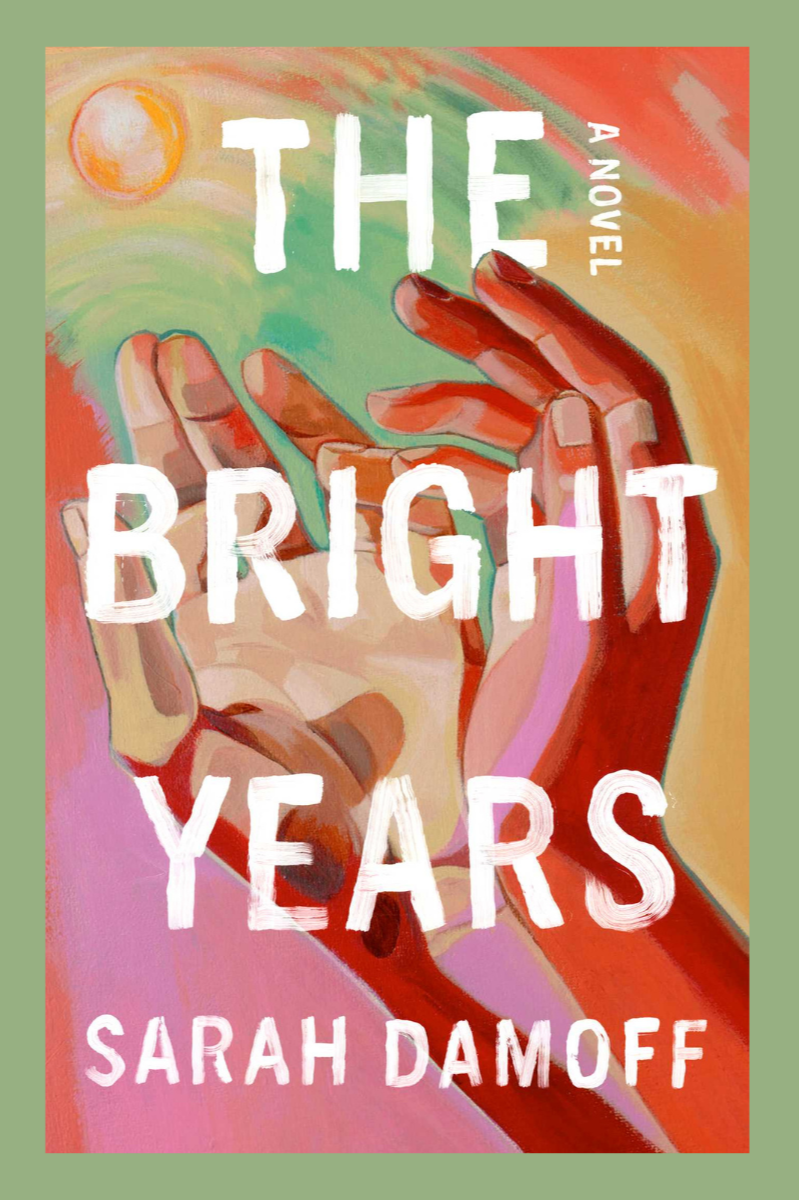
Sarah Damoff's multigenerational family novel has a genuinely strong first half and a gift for turns of phrase — but peaks at 50% and never fully earns the devastation it's reaching for.
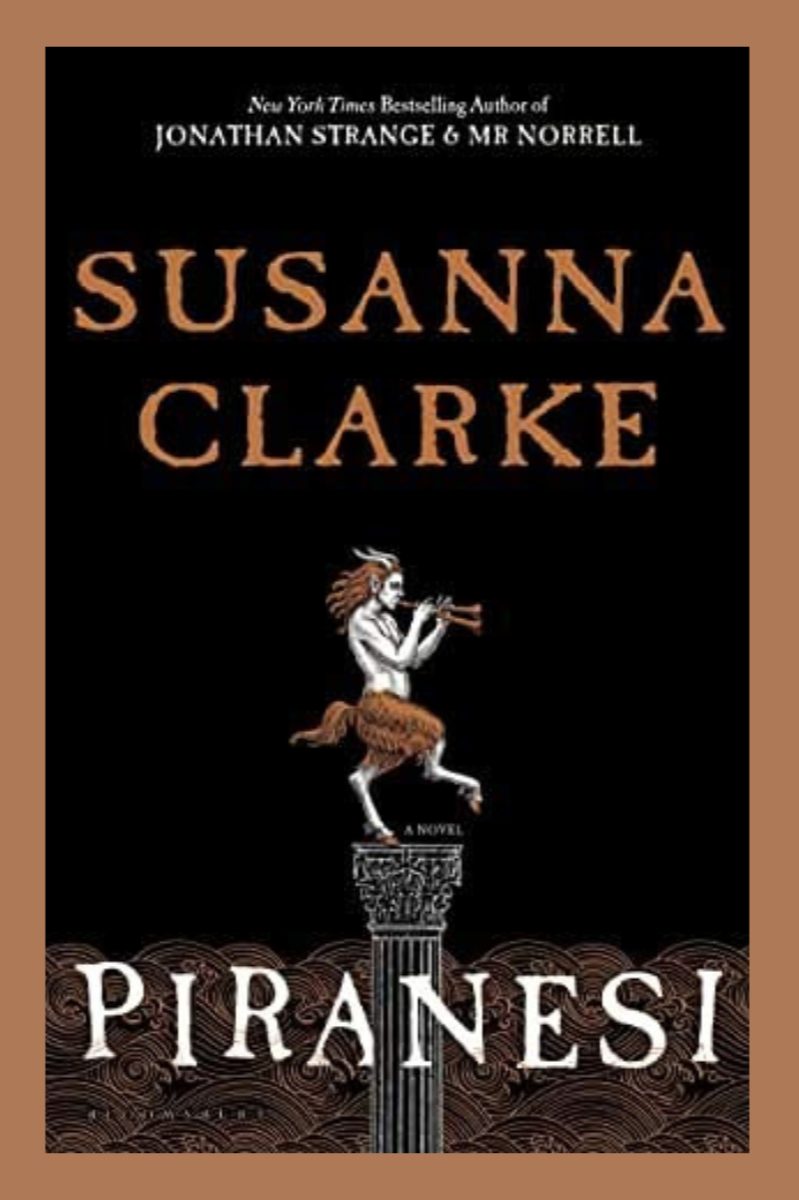
Susanna Clarke's beloved, award-winning novel was lost on me. A beautifully written, exceptionally narrated slog that I regularly considered abandoning.
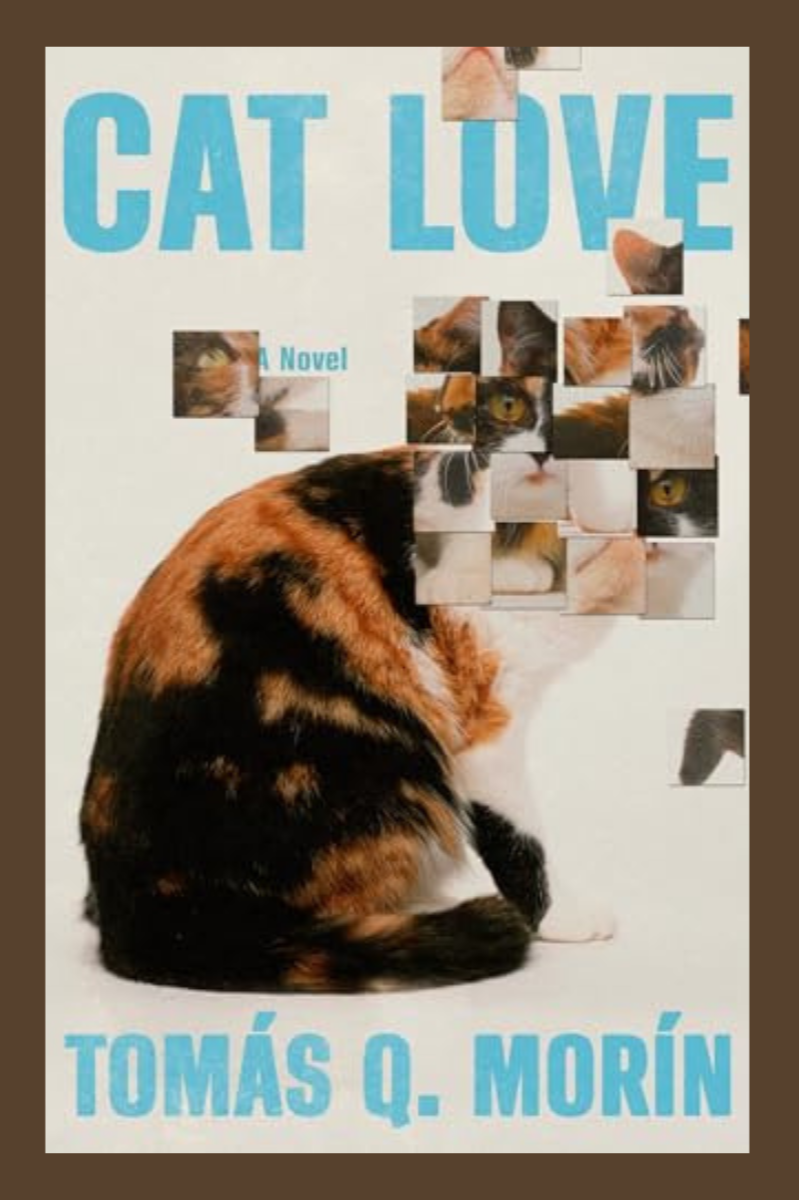
"Cat Love" has genuinely interesting ideas about empathy and desensitization buried under so many digressions it never comes together. I still can't fully explain or understand half of what happened in this novel.
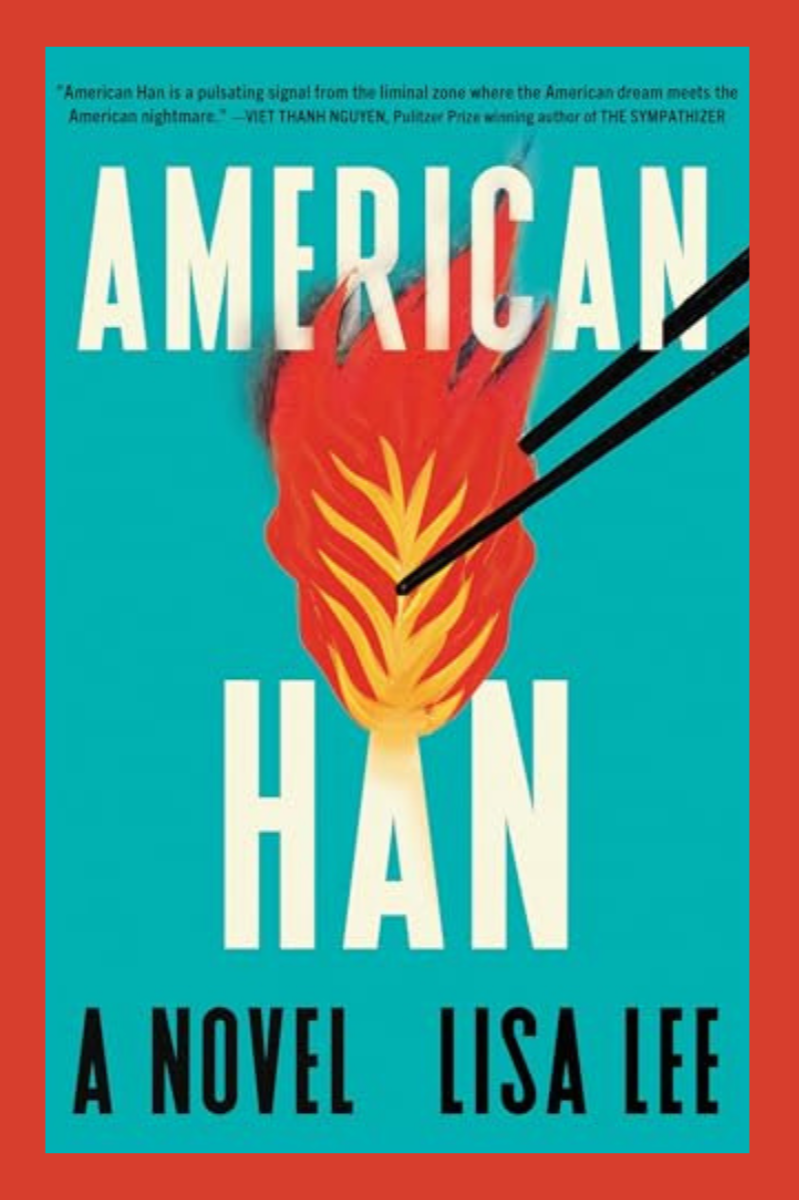
Lisa Lee writes about the Korean immigrant experience with genuine precision — the model minority myth, mobility as poison, cultural inheritance — but the present-day narrative is relentlessly toxic and the single POV leaves little room for connection.
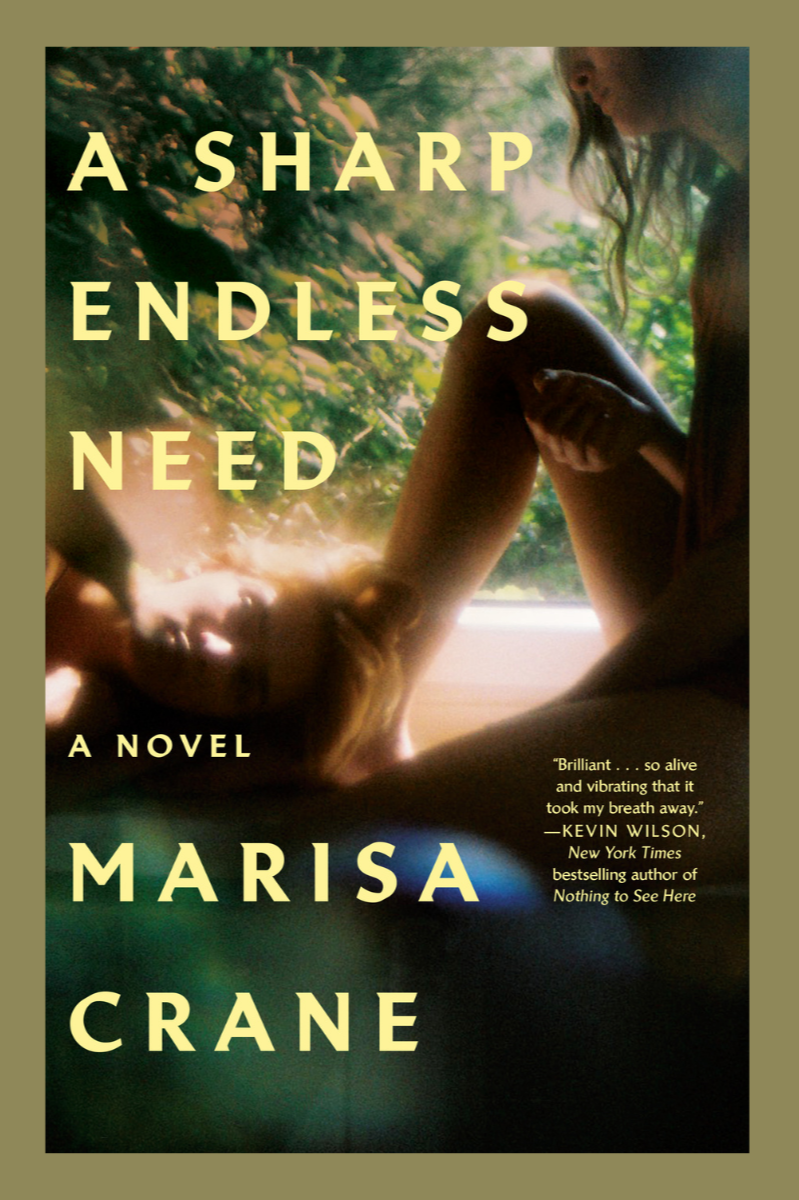
A queer basketball novel set in the early 2000s should've been a slam dunk. Instead, "A Sharp Endless Need" squanders a brilliant first chapter and a timely premise on repetitive teen self-destruction tropes that clash with everything we're told about these characters.
Patricia Highsmith's landmark 1952 lesbian novel is radical in its courage but punishing in its pacing. Carol's opacity is the central problem and a single letter shows what the novel could've been.
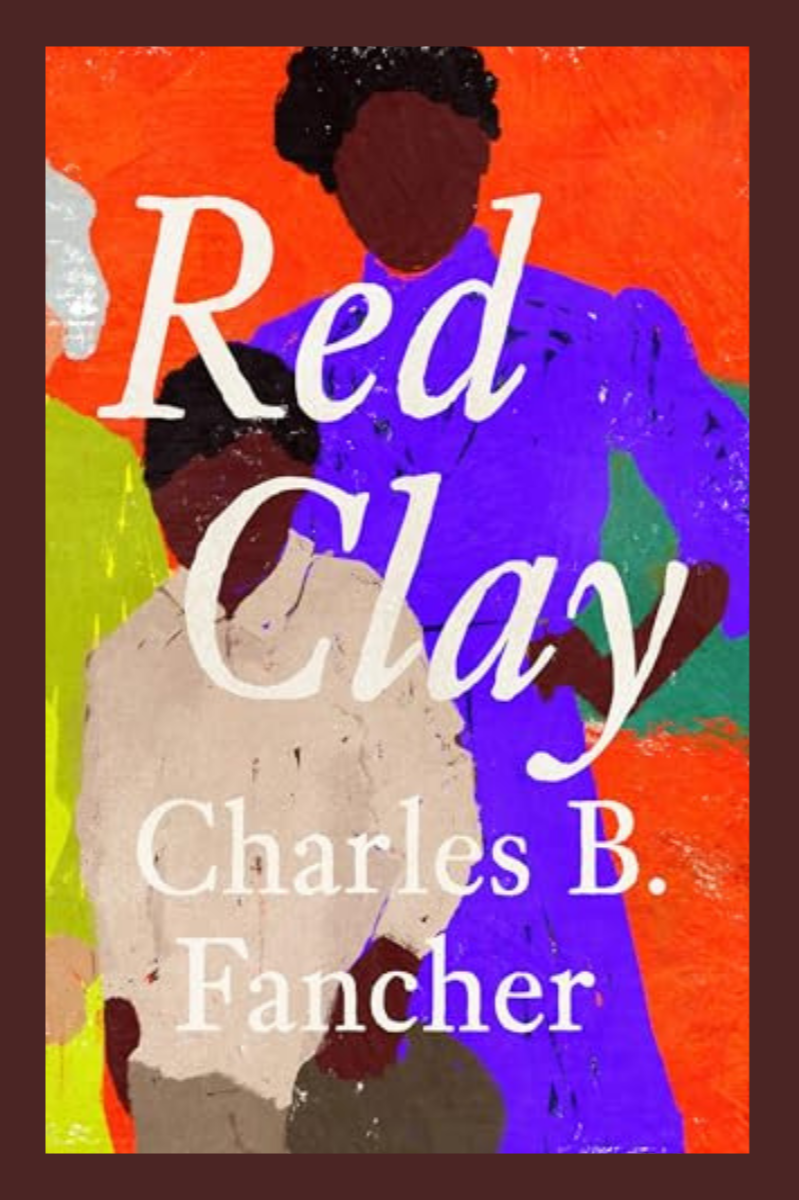
Earlier on, I felt like I had stumbled onto a hidden gem, one that was sharp in its observations about Reconstruction without being preachy or sentimental. Instead, the novel veers into revenge-thriller territory and loses much of its credibility. Had this been published after Percival Everett’s “James,” I might have assumed Fancher was trying to chase the same idea.
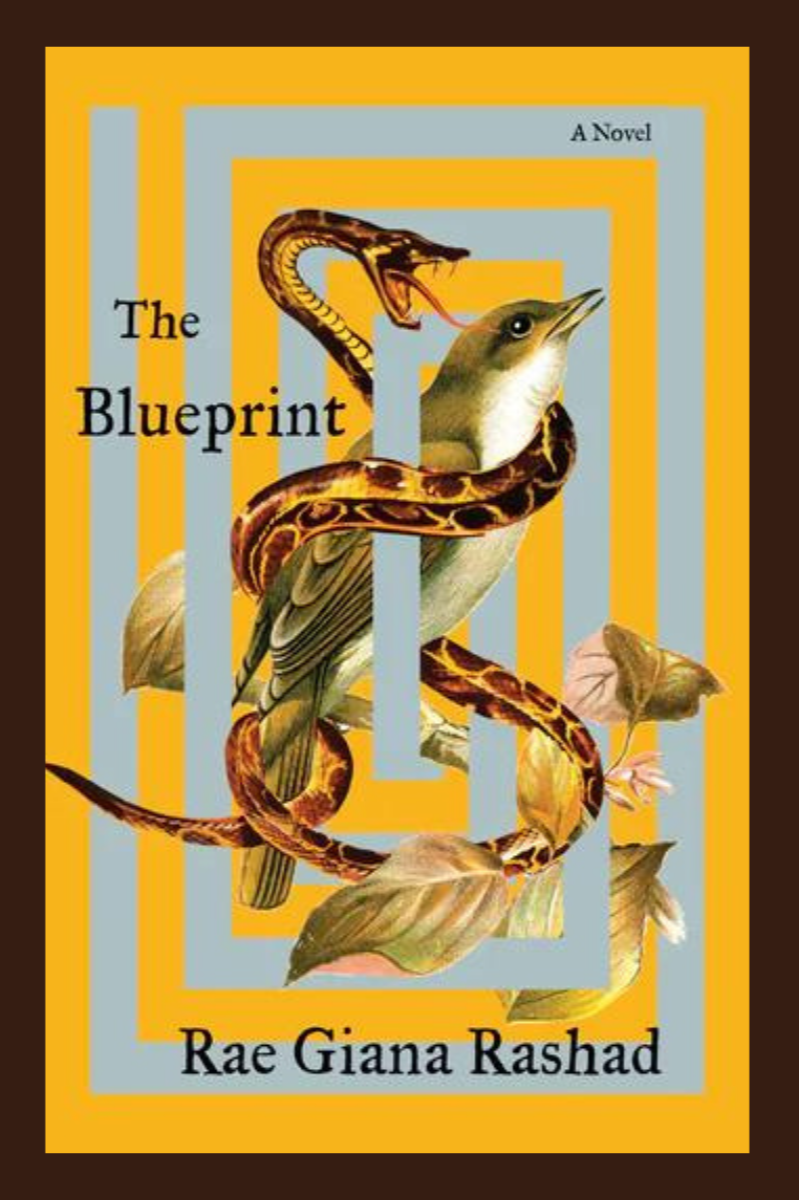
This isn’t an easy book, nor an unimportant one. Rashad has strong ideas, clear anger and real imagination. But too many concepts are crowded into too few pages, and the novel ultimately lacks the polish and focus needed to make its themes land with full force.
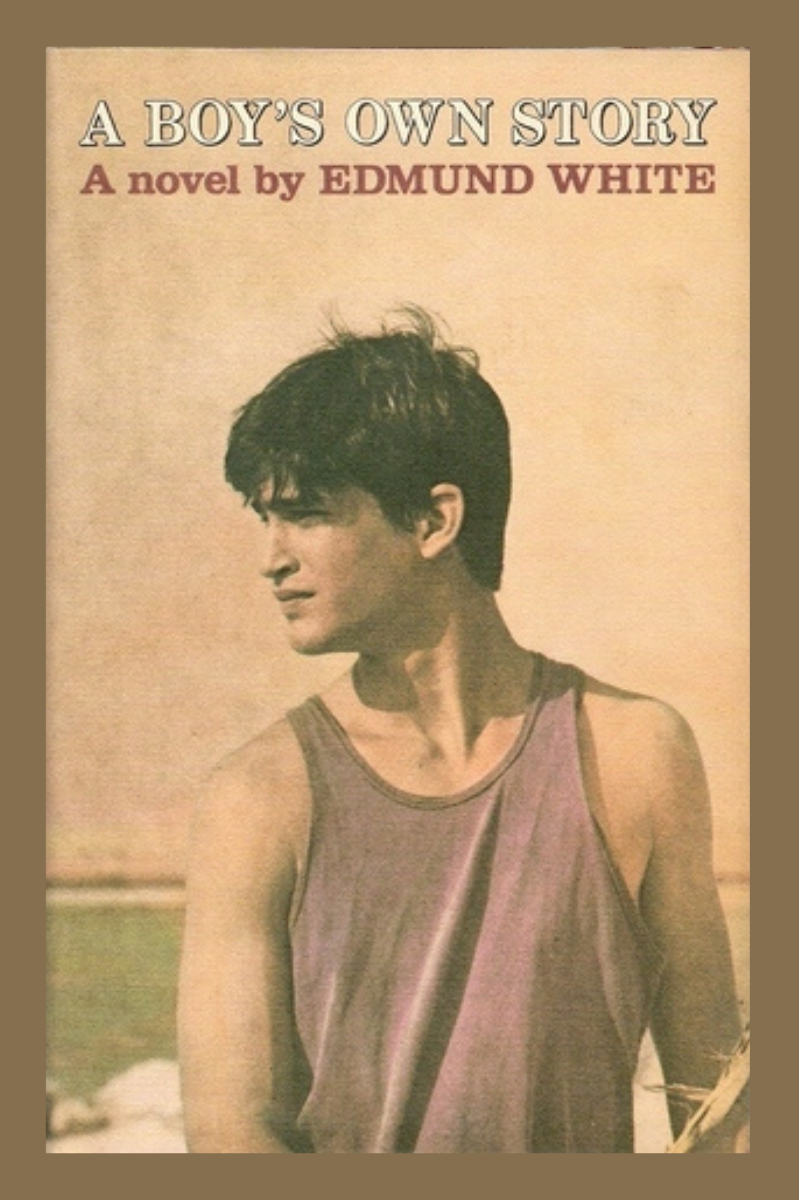
This book may be a pioneer, but I don’t think it’s essential gay reading – not unless you’re interested in a very specific, very dated form of self-loathing filtered through ornate language.
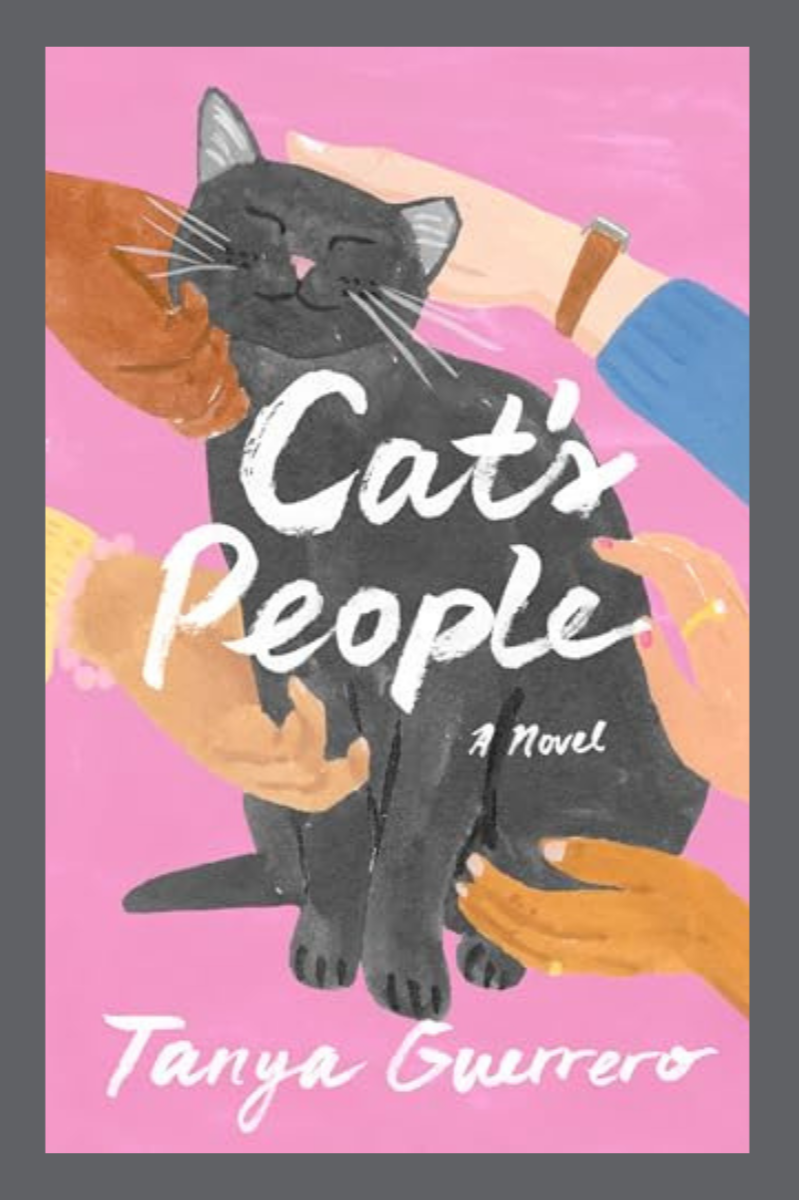
The rotating POVs – Núria, Bong, Collin, Lily, Omar and, of course, Cat – should’ve added texture, but instead it reads like a roll call of “these are the people in your neighborhood,” each with a conveniently tidy arc and a few prepackaged quirks.
If you’re curious, read the first book and stop there. You’ll get the warmth, the melancholy and the best of the concept without watching it grind itself down. And seriously — if you put a cat on the cover, give me a cat in the book.
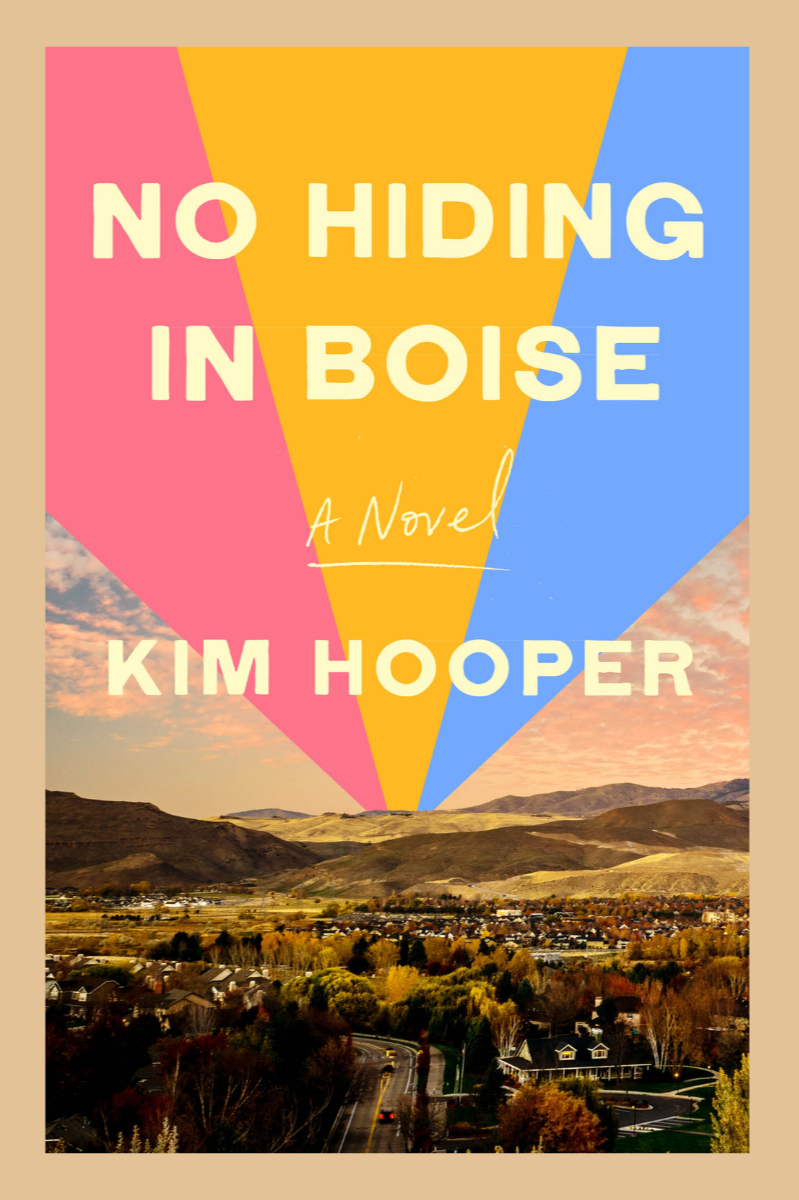
A mass shooting ties three women together, but despite the emotional setup, “No Hiding in Boise” struggles to go beyond surface-level grief and melodrama. Well-structured, but not all that memorable.
A charming premise wears thin in this whimsical novel about a Kyoto clinic that prescribes cats for emotional healing. Sweet but repetitive, with a standout first story and a touching finale.
High-concept fiction always walks a fine line between bold and baffling, but “The Bees” topples into the latter. If you like your dystopias with a side of entomological fever dream, by all means. Otherwise, buzz past it.
In the end, “Everyone Dies Famous in a Small Town” is a missed opportunity. It gestures toward interconnected trauma and small-town claustrophobia but only occasionally brings those themes to life with the clarity and resonance they deserve.
“Somewhere Beyond the Sea” wants to be a beacon, but it ends up an echo of what made “The House in the Cerulean Sea” so beloved. It wants to offer the inclusive magic Rowling won’t, and for some readers, that alone may be enough. But intent doesn’t equal impact. The message may still shine through, but the journey is far less enchanting than before.
This novella has solidified my disinterest in Burroughs and, perhaps, in the Beat Generation as a whole. As for the film adaptation, I’ll take a pass – I’ve given this story enough of my time.
Though the prose remains lush, her reliance on symbolism and Shakespearean allusions requires a level of patience and literary devotion this novel didn’t earn. For those well-versed in “King Lear” and drawn to dense, slow-burn literary fiction, there may be more to appreciate.
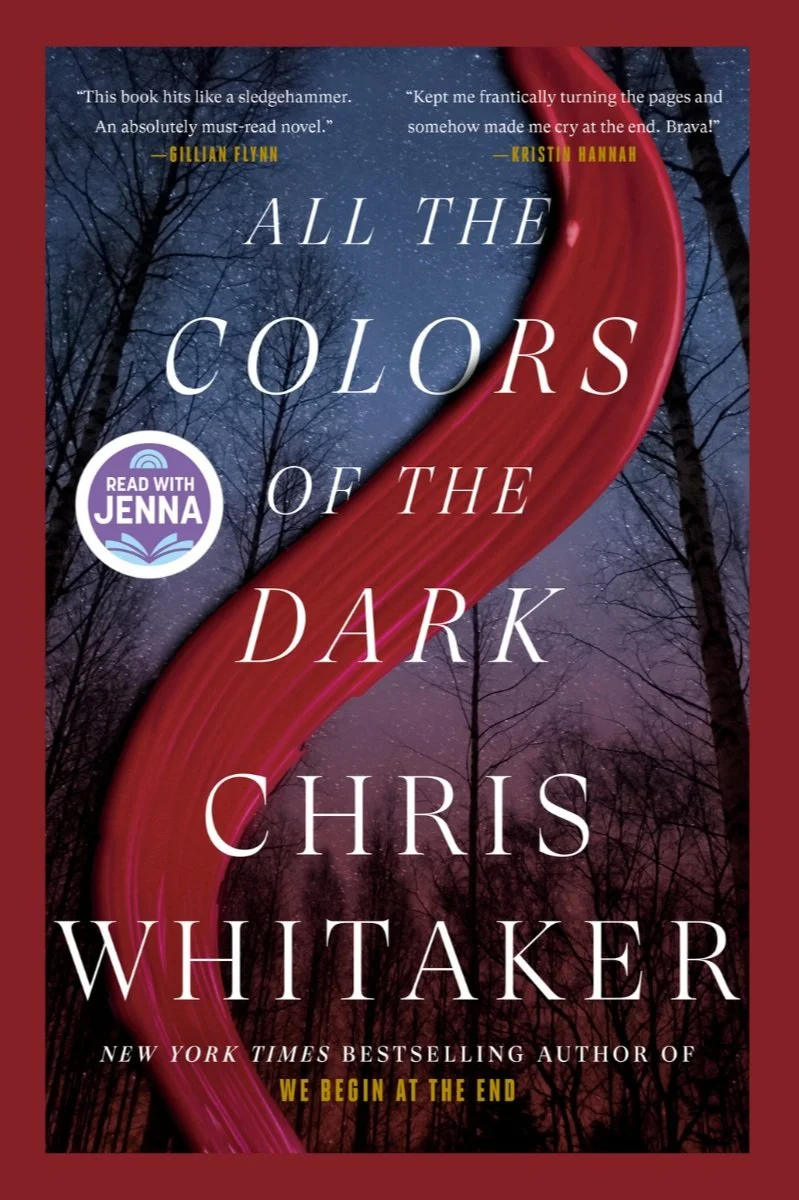
“All the Colors of the Dark” is a sprawling novel that tries to do too much and ends up delivering very little. At best, it's aggressively mediocre, and at worst, it's a contrived and overly familiar story built on tropes.