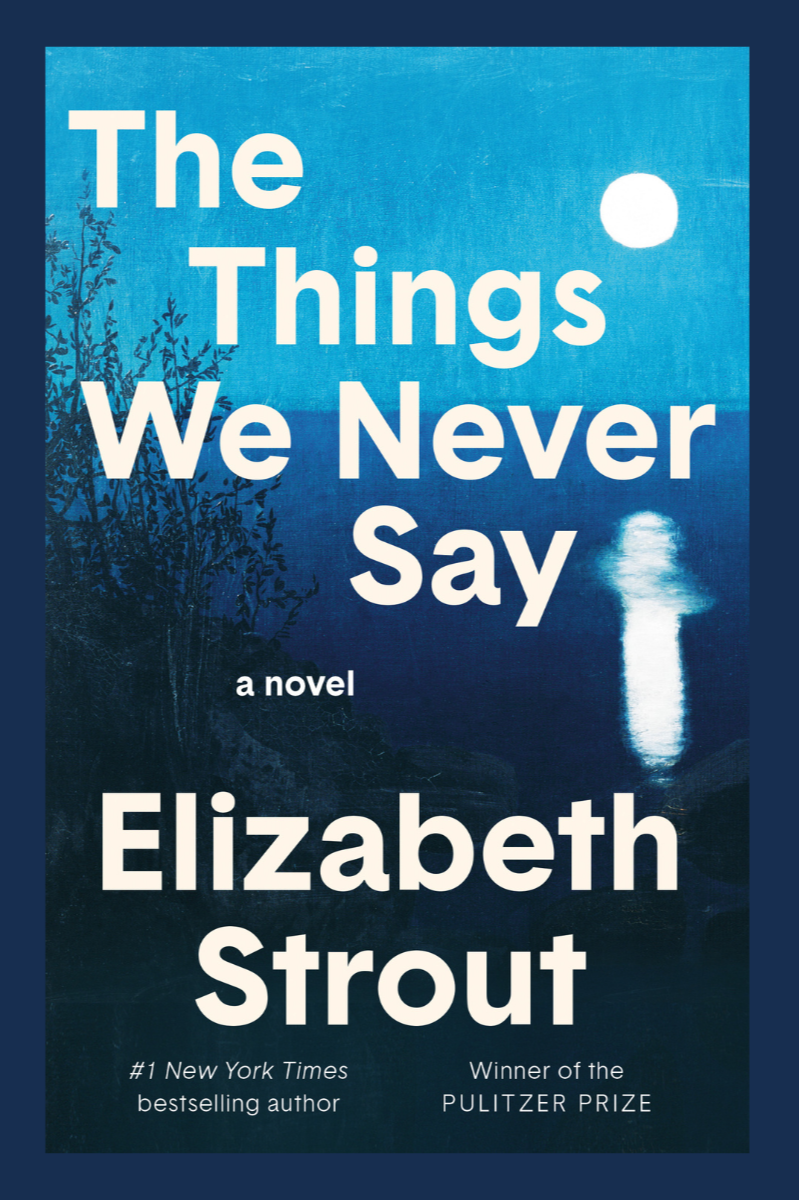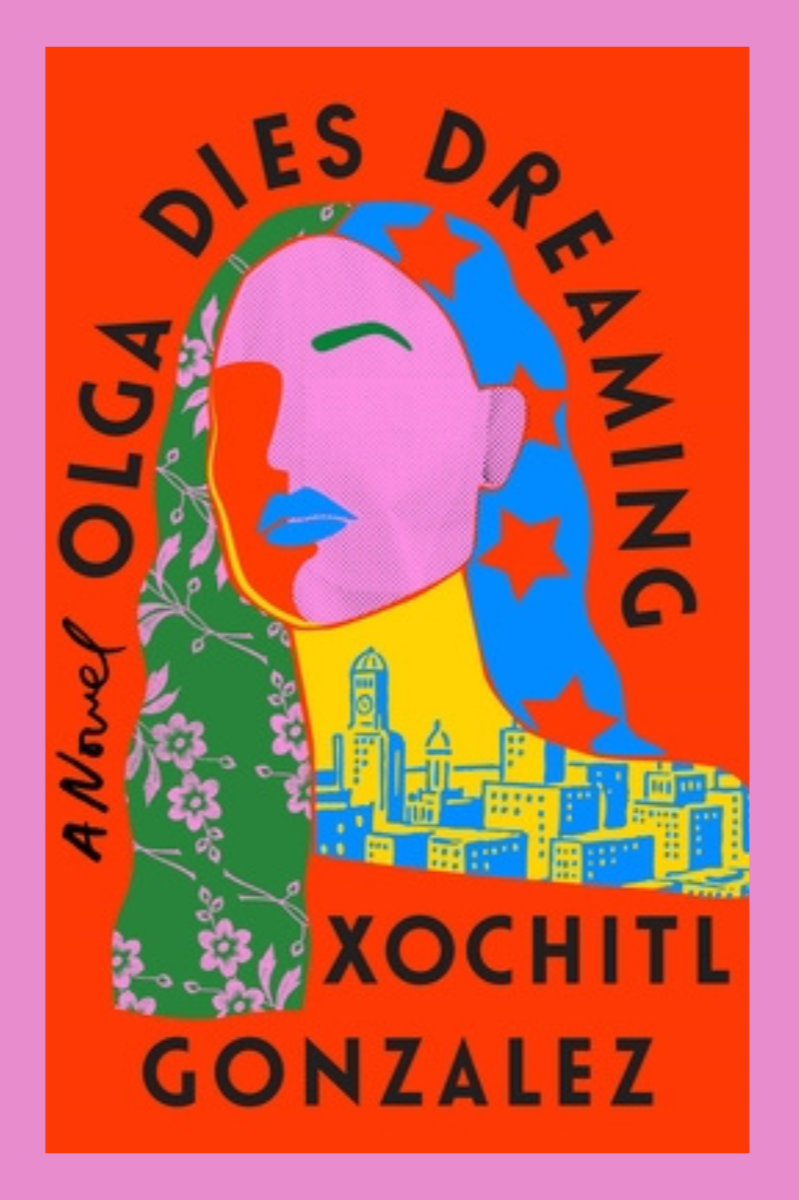
Olga Dies Dreaming – Xóchitl González
I went into “Olga Dies Dreaming” largely blind. My husband recommended it years ago, and it had been gathering dust on my TBR ever since. Hispanic Heritage Month finally gave me the push to pick it up, and now I’m kicking myself for waiting so long.
Although I initially feared I knew exactly where this was headed – a by-the-bootstraps story about a self-made minority woman navigating wealthy white spaces while trying to get her personal life together – both Olga as a character and the novel itself defied my expectations. It is that sort of story, but not in the traditional sense.
Olga Acevedo is 40, Puerto Rican and a successful wedding planner catering to New York’s wealthy. She’s hardworking, suffers no fools and knows exactly what to say to whom, a skill honed by years of moving through wealthy white spaces. Her brother, Prieto, took a different route, going from Columbia Law to Congress. He's also secretly gay and being blackmailed by a wealthy developer who uses incriminating photos to force his hand politically.
Both were raised by their grandmother after losing their father to AIDS and addiction and being abandoned by their mother, Blanca, who left for a life of political advocacy and resistance. She now communicates with them primarily through brutal letters chastising them for abandoning Puerto Rico in pursuit of money and power. What initially felt like a quirky storytelling device eventually became some of the most powerful parts of the novel.
Xóchitl González is particularly good at showing the compromises Olga and Prieto have made to succeed in institutions that weren't built for them. Olga is routinely objectified and underestimated, even as she's usually three steps ahead of everyone around her. Prieto has political power, but that power means considerably less when someone wealthier has the ability to expose him.
Even Dick, the wealthy older man Olga is using to climb the social ladder, gets his own POV. He wants a J.Lo-type woman he can show off, calls Olga "Cherry" because he doesn't like her name and is far more interested in what she looks like than what she thinks. His chapters start funny and uncomfortable before turning dark, and give González plenty of opportunity to skewer the way some white people fetishize people of color.
Ultimately what I enjoyed most was the novel's biting commentary on colonialism and Puerto Rican history. I remember Hurricanes Irma and Maria, the people without power, food or clean water, and the disgusting image of the president tossing paper towels into a crowd. González adds considerably more context to that history, exploring Puerto Rico's relationship with the United States and the ways wealthy people can exploit disaster for their own benefit.
Olga eventually gets an America Ferrera-in-”Barbie”-esque television moment, delivering a takedown of how the United States treats Puerto Rico. By then, González had done enough groundwork that it felt organic rather than like a monologue designed to make very clear what white readers were expected to take away from the novel.
I also appreciated that Olga never becomes a project that needs fixing. She's already established, with flaws she owns and insecurities she recognizes. I expected her relationship with Matteo to become the crux of the story and was pleasantly surprised that romance never became the point.
Where the novel stumbled was in trying to do too much. Olga rather abruptly gives up her business and somehow ends up working with the Russian mob — what? Matteo's mental illness never gets the exploration it deserves, while parts of Prieto's storyline feel engineered to be the tragic gay character to move the political plot forward. The last third piles on reveals, double crosses and convenient connections until a story that had successfully toed the line between feasible and fictional started to strain credibility.
Still, those were relatively minor frustrations for a book that provided a much darker and more layered exploration of wealth, colonialism and who actually gets to benefit from the American dream.
All three narrators — Almarie Guerra, Armando Riesco and Inés del Castillo — are excellent, and I'd highly recommend the audiobook. This one is proof that sometimes I really should listen to my husband sooner.
Rating (story): 4/5 stars
Rating (narration): 4/5 stars
Format: Audiobook (library loan)
Dates read: August 14 – August 18, 2026
Multi-tasking: Good to go. Pay attention early so you can keep the names and situations straight, but then it’s easy to fall into a rhythm regardless of activity.