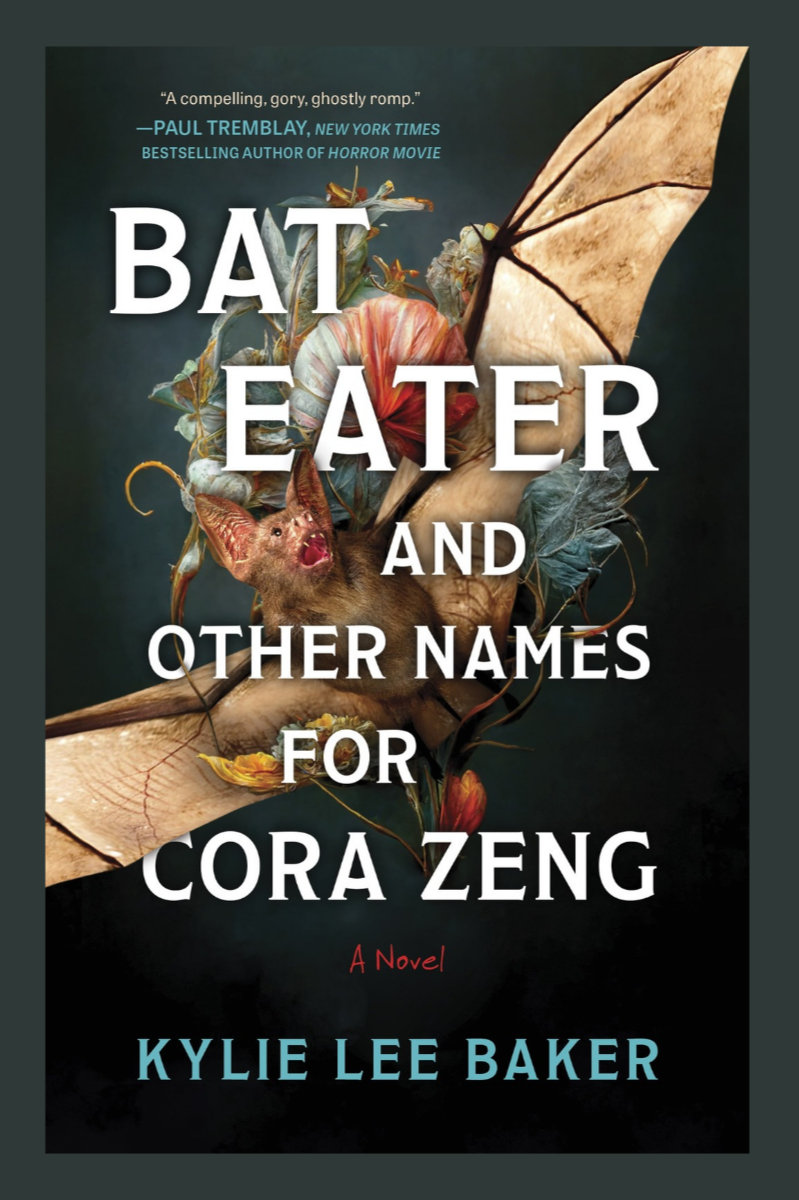
Ultimately, "Bat Eater and Other Names for Cora Zeng" is a novel with far better ideas than execution. I wanted this to work, and for a while I thought it might, but by the end, I was disappointed by how thoroughly the book squandered its potential.
Does listening to audiobooks count as reading? Here it does. Let’s discuss your favorite reads — or listens.
All tagged social commentary
Ultimately, "Bat Eater and Other Names for Cora Zeng" is a novel with far better ideas than execution. I wanted this to work, and for a while I thought it might, but by the end, I was disappointed by how thoroughly the book squandered its potential.
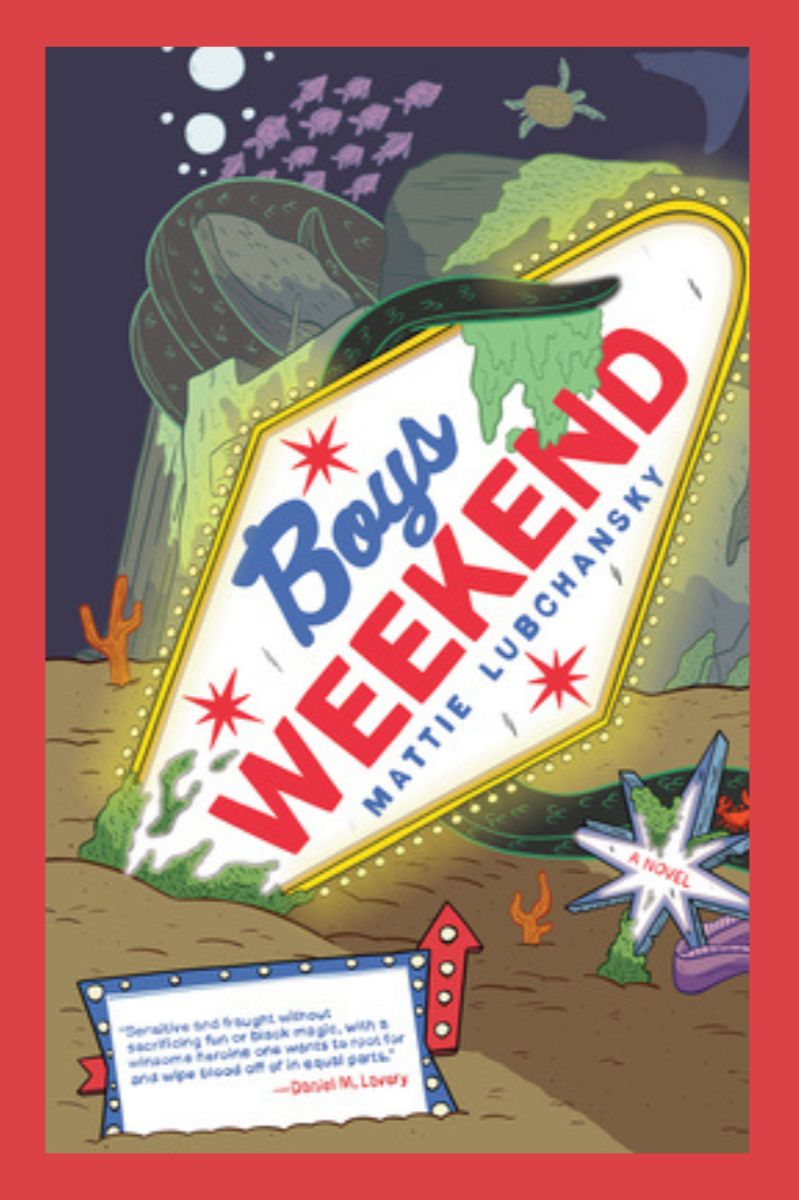
“Boys Weekend” ultimately gave me more interesting ideas than fully developed ones, but it's funny, weird and gory, with enough social commentary underneath the absurdity to give it some bite.
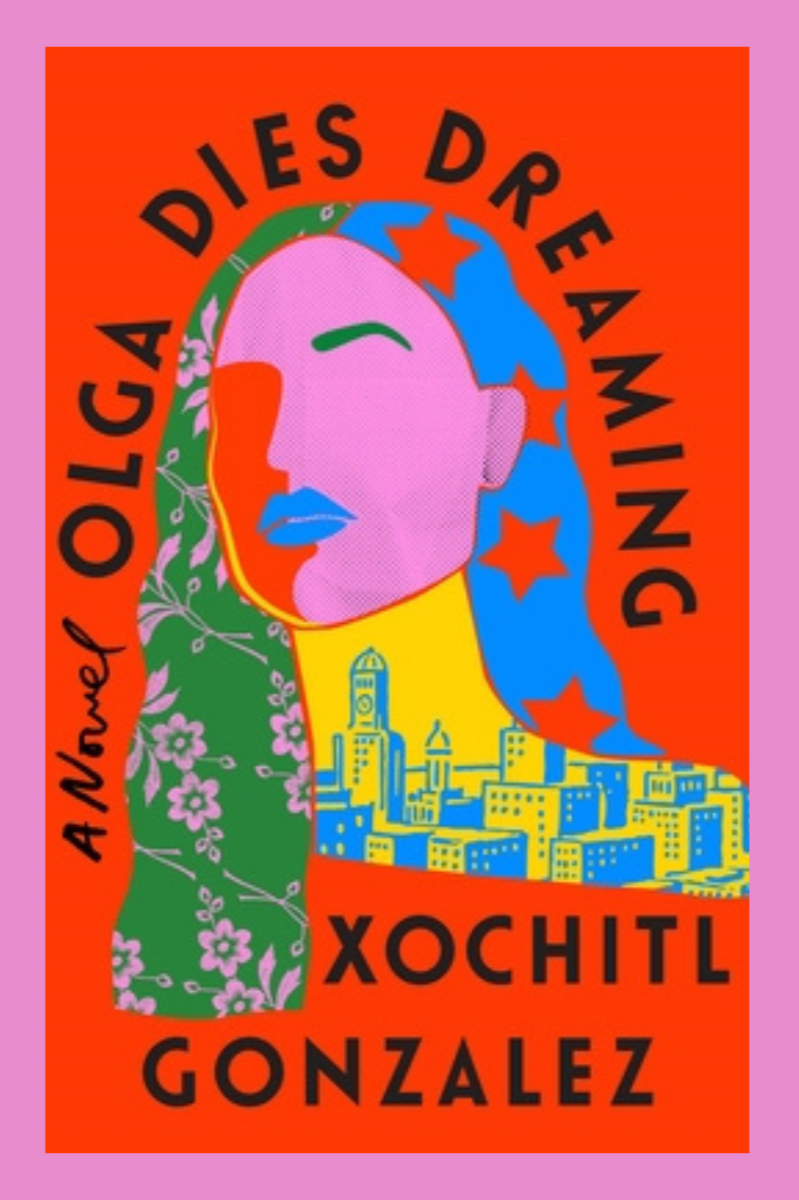
Although I initially feared I knew exactly where this was headed – a by-the-bootstraps story about a self-made minority woman navigating wealthy white spaces while trying to get her personal life together – both Olga as a character and the novel itself defied my expectations.
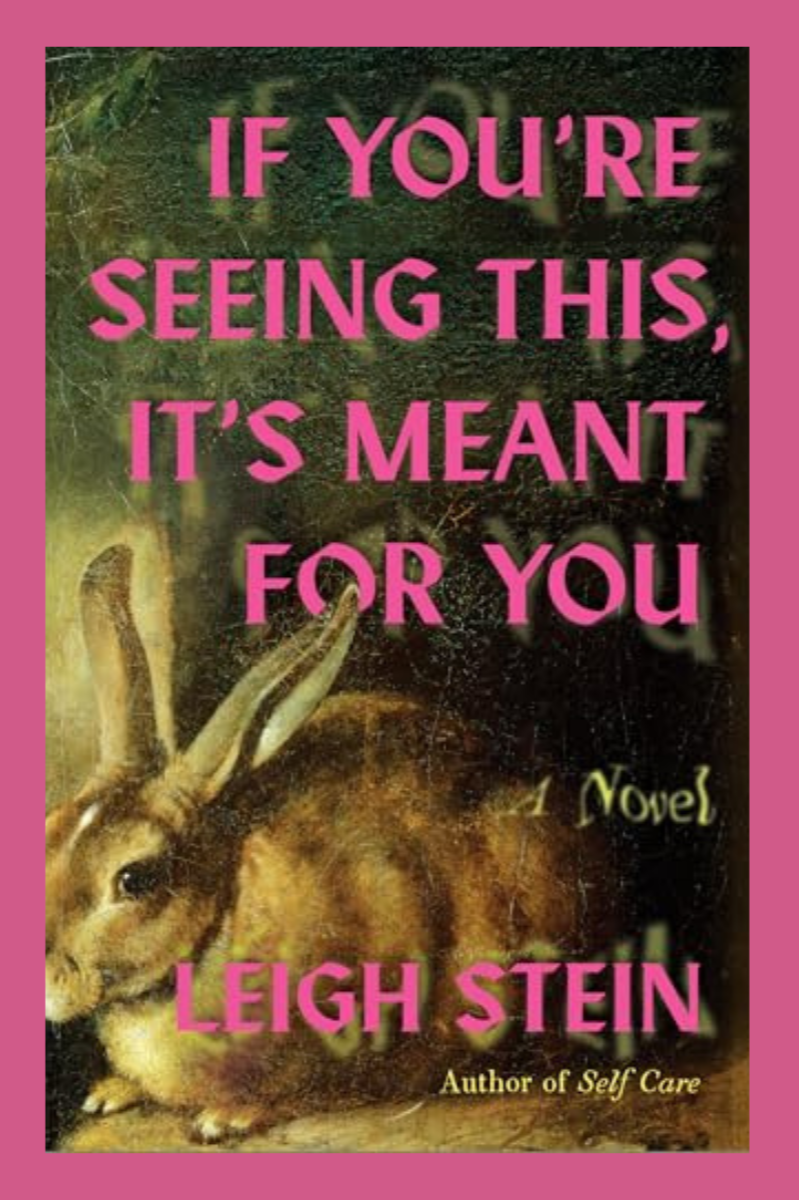
Leigh Stein's influencer-age Gothic has sharp ideas about technology and self-image — but ambition outpaces execution.
Chuck Tingle’s “Lucky Day” blends gore, grief and cultural critique into absurdist horror that’s unsettling, chaotic and surprisingly moving.
If you're newer to poetry, this is a great entry point. There's enough cultural reference and narrative grounding to make you feel like you’re “getting it,” even if some symbolism is out of reach.
Ultimately, this collection serves as both a time capsule and a stepping stone in Abdurraqib’s evolution as a writer. It lacks the full polish of his later work, but the rawness and energy make it an essential read for those who appreciate music, culture and the ever-shifting landscape of America.
At its core, the novel grapples with the fragility of truth – how it is twisted, feared and contested. Miller offers no easy solutions, but she does provide a playbook: meet people where they are, understand what drives them and push back – sometimes gently, sometimes forcefully.
Though the author is best known for his searing critiques of race and sexuality, “Beale Street” is unique in his body of work. It’s his first novel (that I’ve read) centered entirely on Black love and the only one narrated by a woman.
Robin R. Means Coleman and Mark H. Harris lean into their respective expertise – academic and journalist – to explore the evolution of Black representation in horror, organizing their insights around themes, tropes and industry trends that often mirror shifting racial attitudes in America.
At first glance, Rebecca McKanna’s “Don’t Forget the Girl” may seem like another mystery thriller critiquing true crime culture – and to an extent, it is – but it stands out with its sharp edges and an unexpectedly poignant queer love story. This adds depth, transforming what could have been a straightforward thriller into something more personal and thought-provoking.
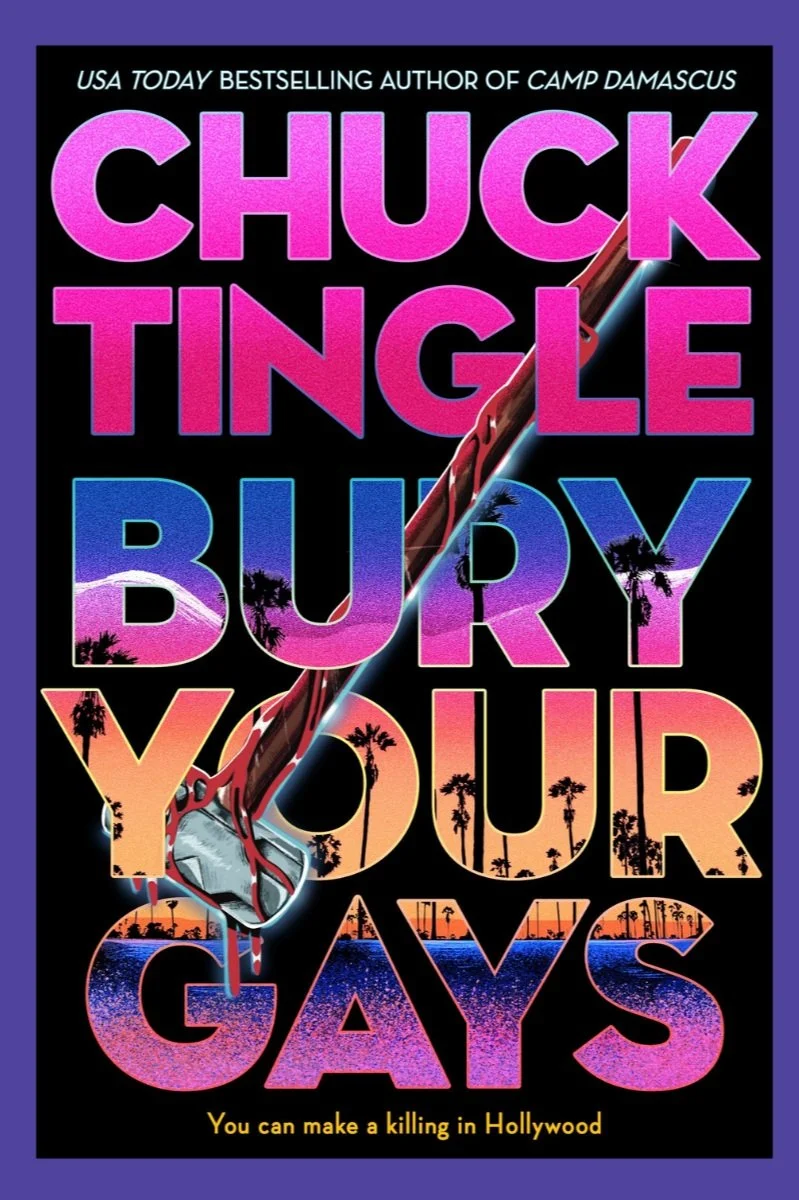
While not aiming for highbrow literature, it offers a perfect mixture of astute social commentary, a dash of camp and a fair amount of meta grievances. We may not know the true identity of Chuck Tingle, but it’s fair to say that like R.F. Kuang and “Yellowface,” he has a proverbial axe to grind with the entertainment machine.
An interesting retrospective on how sitcoms helped pave the way for broader queer acceptance, with “Hi Honey, I’m Homo!” Matt Baume offers a mostly lighthearted read for fans of pop culture and LGBTQIA+ history.
Through original and sourced research, the author traced the often fraught path to introduce positive portrayals of queer people to the masses, but this isn’t the kind of behind-the-scenes tell-all that will help elevate the book beyond its niche target audiences.
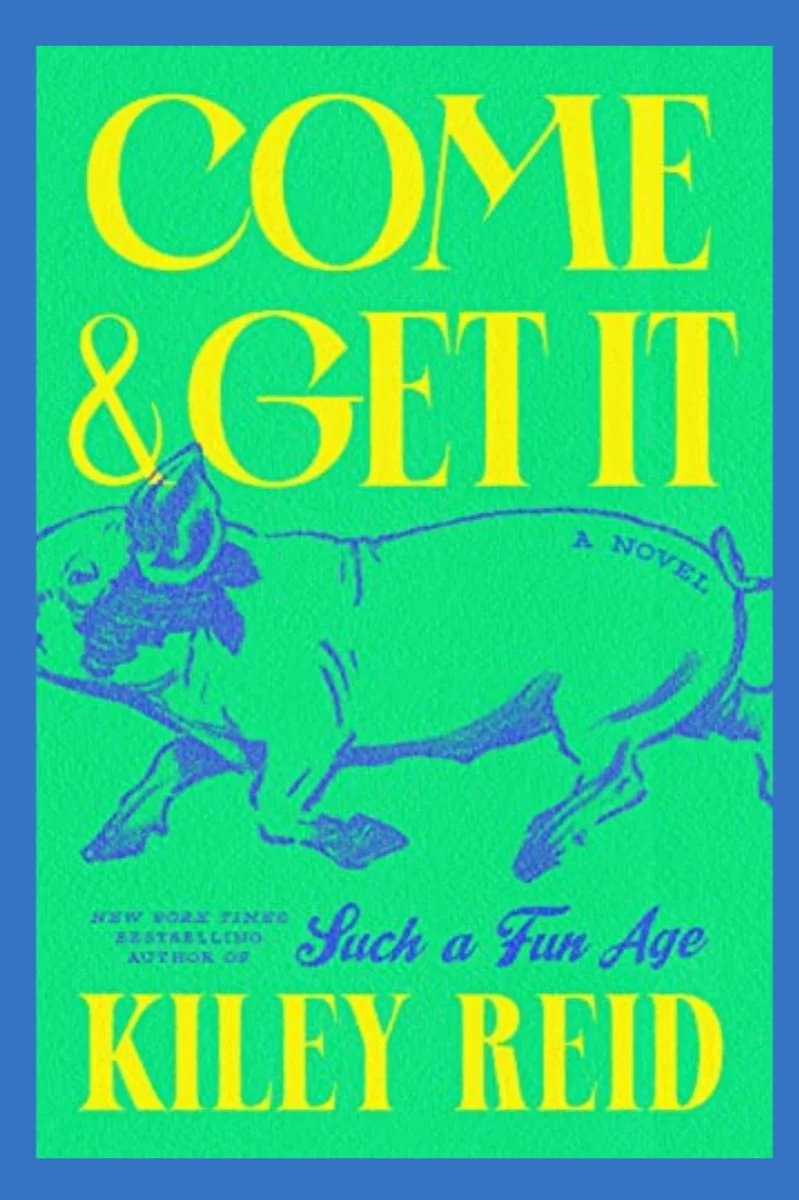
Expectation: A racially-charged exploration of college life in the Southern United States.
Reality: A dissection of capitalism from the perspectives of different students, professors and resident advisors delivered with biting commentary and razor-sharp dialogue.
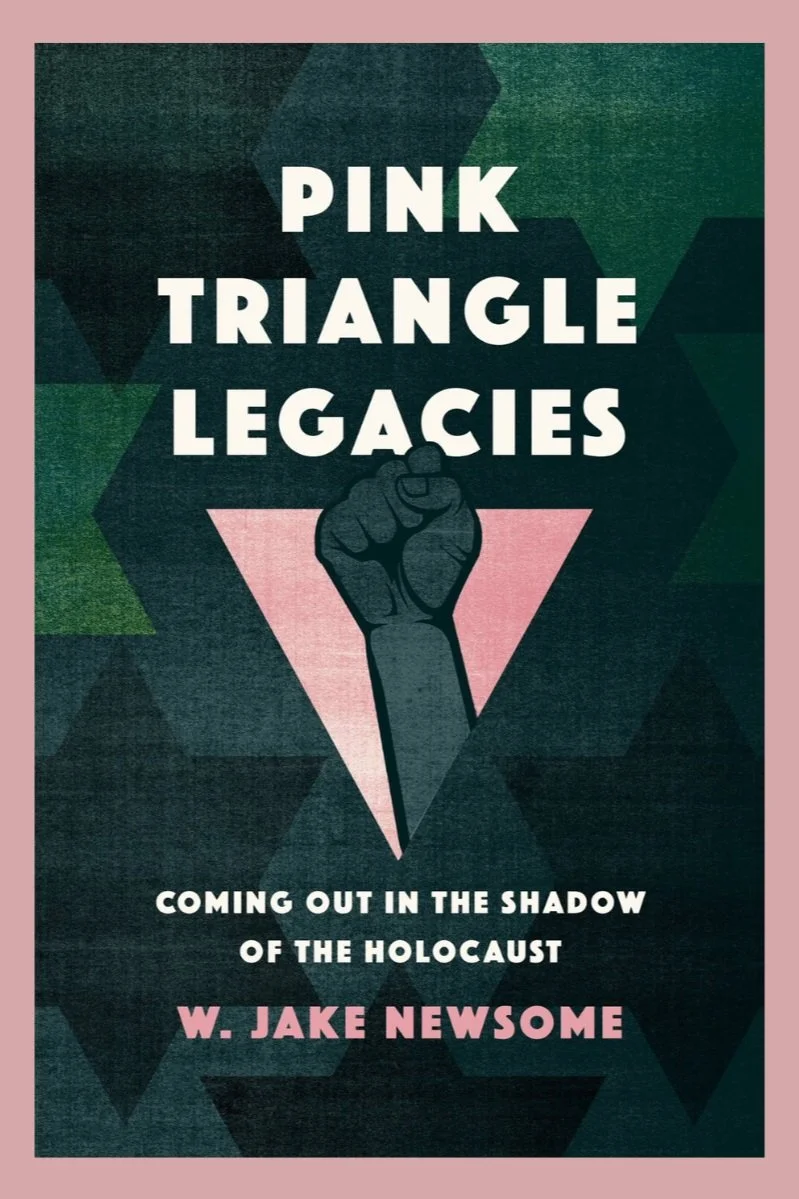
While not as well-known in the mainstream as the Pride flag, the pink triangle – the Nazi concentration camp symbol for prisoners convicted under Paragraph 175, the German law that criminalized homosexual activity among men – is an enduring and important marker of queer history that morphed from an emblem of shame into a symbol of activism.
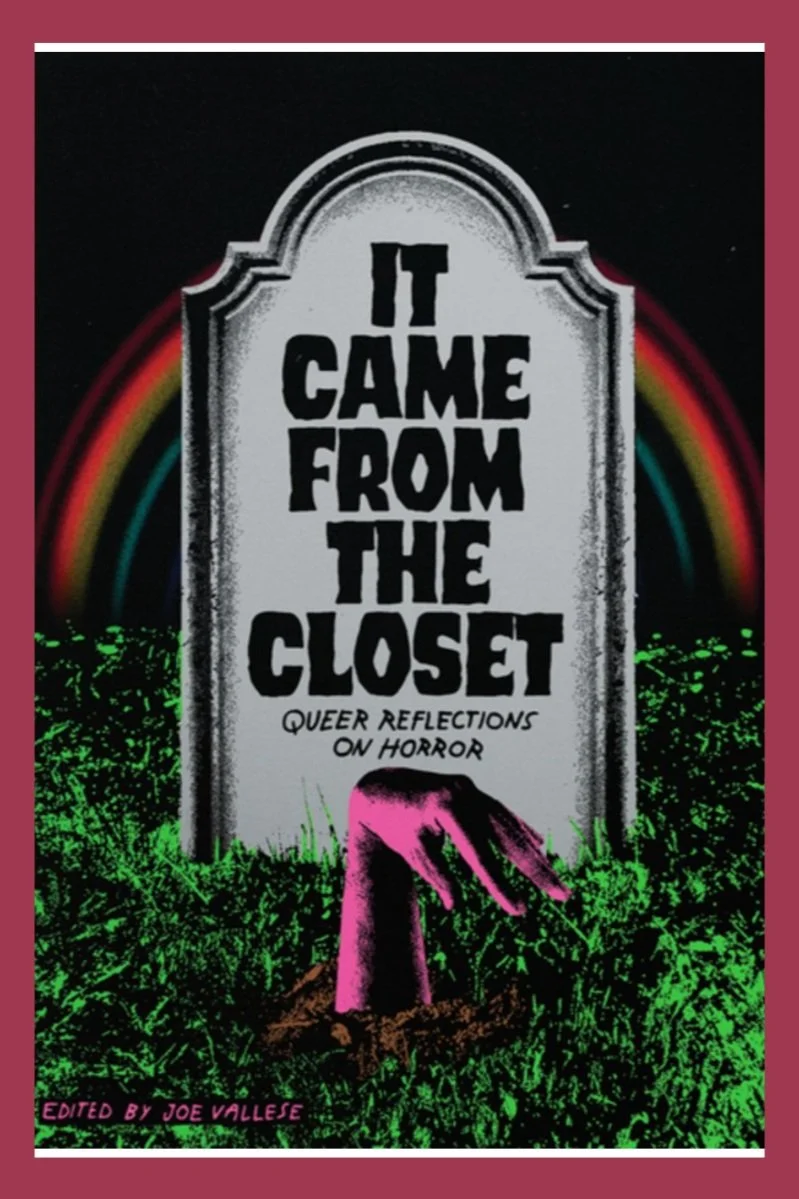
Various queer writers dissect and debate the overt and obvious subtexts of both mainstream and art house fare with a mixture of analysis and theory. Many of the essays veer into the personal, showing how important the horror genre is to out and proud queers of a certain age.
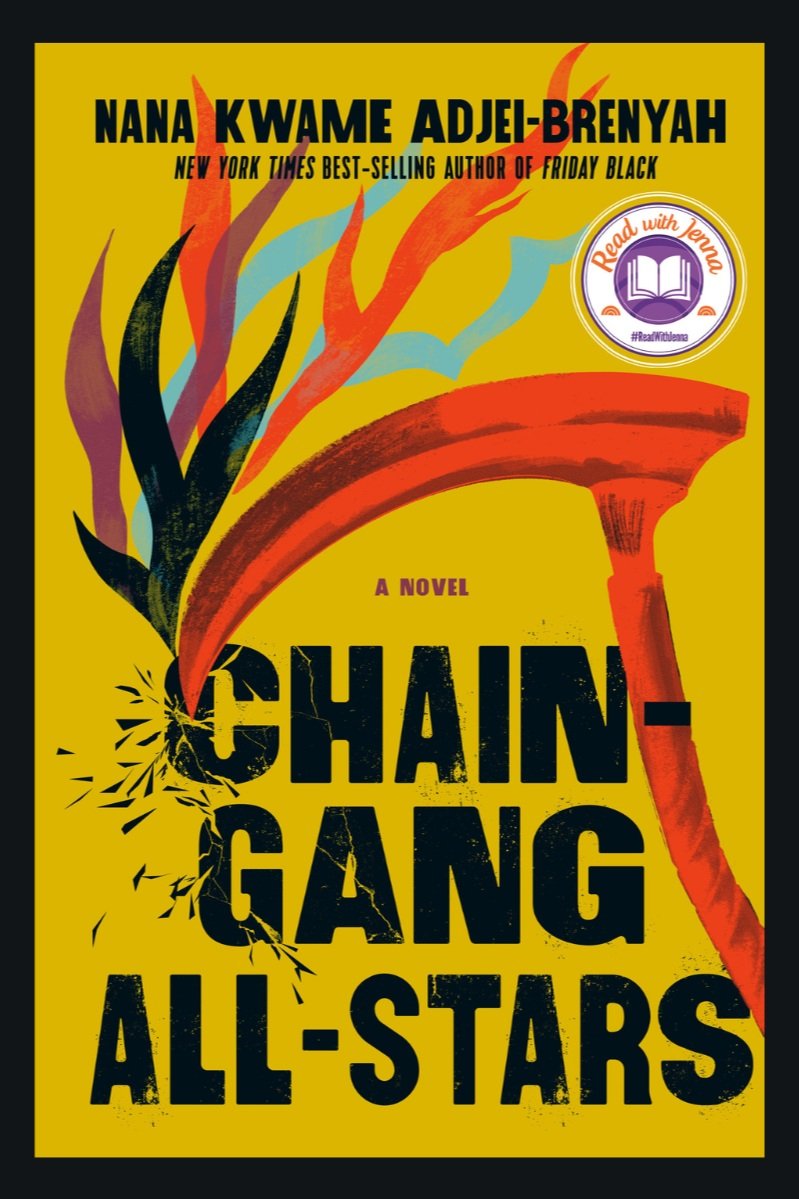
Expectation: A dark dystopian view of mass incarceration as blood sport entertainment.
Reality: While crammed a little too full of characters and plots, a highly creative concept, four stellar characters and a fantastic audiobook narration made this an engrossing read.
Expectation: A queer #MeToo revenge thriller rooted in the worlds of BDSM, wealth and privilege.
Reality: B-movie sensibilities that feel incoherent and for shock value pivot to an engrossing exploration of repercussions from religious and sexual trauma.
Expectation: An exploration of criminal justice inequities framed around the true story of one of the “Central Park jogger” teens.
Reality: While the verses are beautiful, the story and characterizations fell victim to typical YA tropes versus breaking new ground.
Expectation: A dark comedy dismantling social media influencer culture.
Reality: A mix of ideas that don’t always meld together nicely but debut author Isle McElroy took some risks with plot and characterization that paid off.